3 Fatal Mistakes When Cleaning Your ALR Screen Material in 2026
You know that sinking feeling when you look at your pristine home theater setup and suddenly notice streaks, smudges, or worse — dull spots that just won’t go away? I remember the first time I tried cleaning my ALR screen after a few months of setting up what I thought was a perfect mini-theater. Instead of a crystal-clear picture, I ended up with haze and weird reflections. It was a wake-up call. I realized I had made mistakes early on that compromised my display’s performance and longevity.
Why Proper Cleaning Matters More Than You Think
It’s not just about keeping the screen looking good. Proper cleaning can make or break your viewing experience, especially with advanced ALR (Ambient Light Rejection) screens that are designed to optimize contrast and brightness in well-lit rooms. As projection technology advances and your investment grows, understanding how to clean your screen correctly becomes essential. Did you know that improper cleaning methods can reduce your screen’s gain and affect clarity? According to recent studies, even small abrasions from harsh cleaning can lead to a noticeable loss in image quality over time. That’s why I want to share the common pitfalls and how to avoid them.
Skeptical? Will Cleaning Really Make A Difference?
When I first learned about this, I thought occasional wipes would be enough. But I quickly discovered that the biggest mistake was using the wrong materials. Early in my journey, I used generic microfiber cloths and window cleaners, which actually worsened the haze. I didn’t realize that ALR screens often have nano-coatings or specialized surfaces that require gentle, specific cleaning techniques. If you’re curious whether cleaning really impacts your setup, check out this detailed guide on [best ALR screen technology materials for gain and size](https://screens.cinegearguide.com/best-alr-screen-technology-materials-gain-size-guide-2024). Trust me — mastering this simple yet overlooked aspect has transformed my viewing experience.
If you’ve faced similar frustrations, or if you’re just starting to appreciate the delicate balance of your home theater, stay with me. In the next sections, we’ll go through proven methods and mistakes to avoid, ensuring your screen stays flawless for years to come. Let’s dive into the ways to clean your ALR screen safely and effectively—because your picture quality deserves nothing less.
Prepare Your Workspace for Safe Cleaning
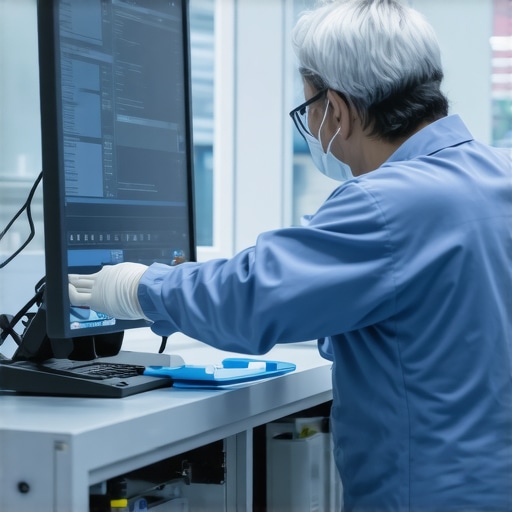
Clear your area of any obstacles and lay down a soft, non-abrasive cloth to prevent dust from settling back onto the screen. Turn off your projector and allow the screen to cool down if recently used. For sensitive nano-coatings, avoid using any harsh chemicals or liquids that can damage the surface.
Choose the Right Cleaning Tools
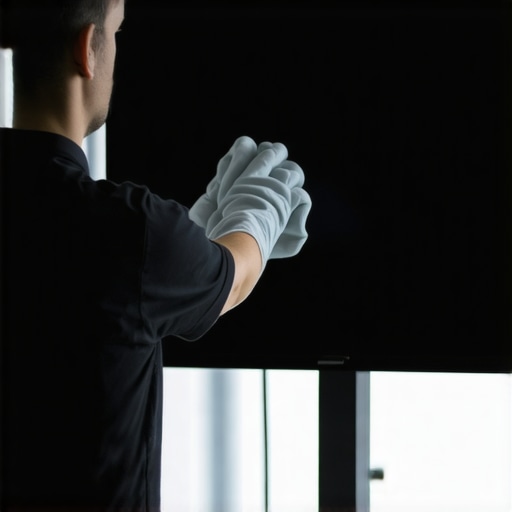
Use a microfiber cloth specifically designed for electronics. I once used a generic towel, which left streaks and scratches on my nano-coated ALR screen. Microfiber cloths trap dust and are gentle enough to prevent damage. For stubborn smudges, select a cloth with a slightly dampened edge, not soaked.
Implement Gentle Cleaning Techniques
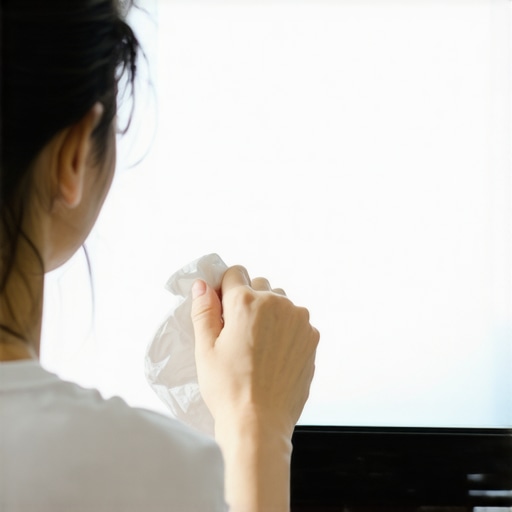
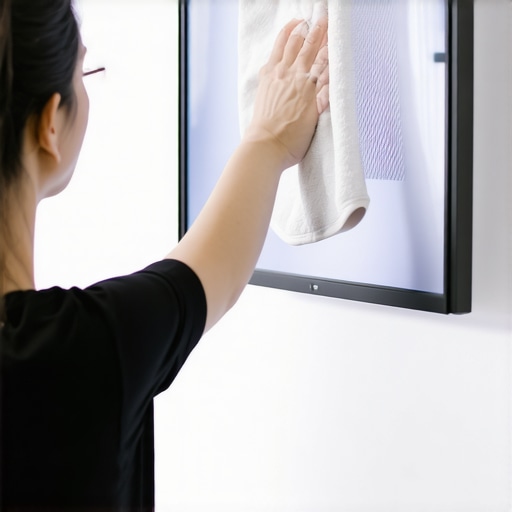
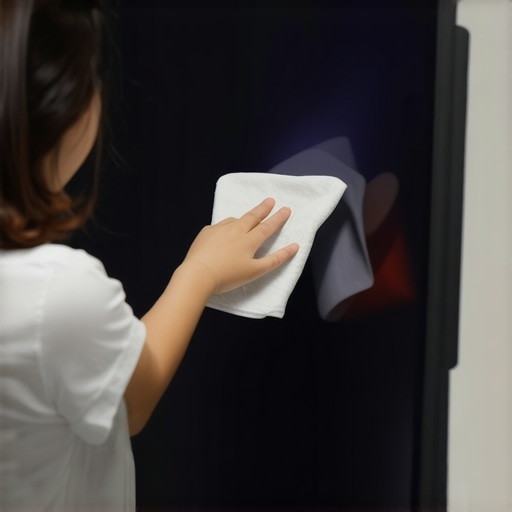
Start by lightly dusting the surface with a dry microfiber cloth, moving in small, circular motions. Avoid pressing hard, as excessive pressure can abrade the nano-coating. When encountering a smudge, dampen the cloth with distilled water or a cleaning solution formulated for screens, applying it evenly and sparingly to prevent liquid seepage into edges.
Use Proper Motion and Pressure
Apply minimal pressure while wiping and follow the natural surface contours. I once pressed too hard, causing tiny scratches that marred the clarity of my screen. Gentle, consistent strokes ensure dirt and oils are lifted without risking damage.
Address Specific Concerns for ALR Screens
Nano-coatings on ALR screens are delicate; avoid using ammonia-based cleaners or those containing alcohol. Check the manufacturer’s recommendations to ensure compatibility. For nano-coated surfaces, test the cleaning method on a small, inconspicuous section first to observe any adverse reactions.
Maintain Correct Cleaning Frequency
Clean your screen only when visibly dirty or dusty. Over-cleaning can wear down coatings over time. Personally, I learned this after repeatedly wiping my screen, which began to lose its reflective qualities. Establish a routine, such as bi-weekly dusting and monthly deeper cleans, to keep the surface pristine without risking damage.
Final Touches and Preservation
After cleaning, use a dry microfiber cloth to remove any remaining moisture and prevent streaks. Store cleaning cloths properly to avoid dust accumulation, which can cause micro-scratches during future cleanings. Proper maintenance ensures your ALR screen retains its high gain and clarity for enjoyable viewing over years.
Many home theater enthusiasts believe that choosing a high-gain screen automatically guarantees superb picture quality, but that’s a misconception that can compromise your setup. The reality is, most people oversimplify the concept of screen gain, overlooking how it interacts with projection distance, room ambient light, and specific projector types. For example, a common myth is that higher gain always means better images, but in practice, excessively high-gain screens—like those above 2.0—can create hotspots and reduce overall uniformity, especially in larger sizes. According to experts in projection technology, gaining a deeper understanding of how gain affects contrast and brightness distribution is crucial to achieving an immersive experience. This is why I recommend exploring detailed guides on [best screen gain options for bright rooms](https://screens.cinegearguide.com/best-projection-screen-materials-gain-size-guide-2024), which debunk the one-size-fits-all mentality. Additionally, many overlook that the *projection screen material* itself influences perceived gain and contrast; for instance, matte surfaces with nano-coatings can deliver high gain without the drawbacks of glare and hotspots. Stay cautious of the trap where buyers fixate solely on gain numbers without considering how the material composition and room conditions impact performance. An advanced mistake is ignoring the importance of viewing angle and how it interacts with screen gain—do you know the ideal viewing angle to prevent color washout and contrast loss? For seasoned enthusiasts, this is where understanding the [nuanced science behind gain and material interaction](https://screens.cinegearguide.com/alr-screen-technology-explained-best-material-gain-insights-for-2024) becomes essential. Adjustments in projector placement, screen size, and even ambient light control all tie back to these details. Remember, an effective setup isn’t simply about grabbing the highest gain available—it’s about aligning these elements to your specific environment for maximum clarity and contrast. If you’re committed to refining your home theater, spending time on this hidden nuance will pay off in stunning picture quality. Have you ever fallen into this trap? Let me know in the comments.Maintaining your projection screen, especially advanced ALR models, requires the right tools, consistent routines, and knowledge of the best practices. Personally, I rely on a combination of high-quality microfiber cloths and specialized cleaning solutions designed explicitly for nano-coated surfaces. For example, I use a **microfiber cloth with split fibers** that trap dust particles effectively without scratching the nano-coating, which is essential for preserving gain and clarity over time. When it comes to cleaning solutions, I opt for **distilled water mixed with a few drops of pH-neutral, screen-safe cleaner**—this prevents mineral deposits and chemical damage, ensuring your ALR screen remains pristine.
Regular inspections are vital. I recommend setting a quarterly schedule to visually assess your screen for dust, spots, or scratches. During these checks, employ a **portable LED flashlight to illuminate the surface at an angle**, revealing smudges or micro-scratches that might otherwise go unnoticed. This proactive approach allows you to catch issues early and treat them before they impact picture quality.
For deeper maintenance, many enthusiasts overlook the importance of proper storage and handling of cleaning accessories. Labs suggest storing microfiber cloths in sealed containers to prevent dust accumulation that can cause micro-scratches upon next use. Additionally, **avoid wiping the screen in a circular motion around edges or using overly damp cloths**, which can seep into the nano-coating, causing long-term damage.
Looking ahead, innovations like **robotic cleaning devices** are starting to appear, equipped with soft, retractable brushes or ultrasonic technology to gently maintain large or difficult-to-reach surfaces without manual effort. While these are currently pricey, their development hints at a future where maintaining large home theater screens could be effortless. For now, I recommend investing in **a high-quality, anti-static microfiber cloth and the appropriate cleaning solutions**, as these are proven to extend the lifespan of your screen and preserve its gain.
If you’re serious about long-term performance, I highly suggest experimenting with the **cleaning techniques outlined in this detailed guide on the science of ALR screen maintenance**. It’s an investment that pays off by ensuring your projection surface retains maximum contrast, brightness, and clarity for years to come. Remember, the key is consistency—regular care keeps your home theater experience as vivid as the first day. Try one of these advanced tips today and see the difference in your setup! 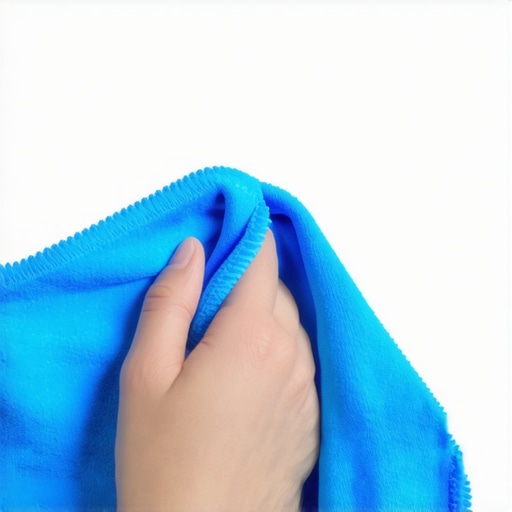
Lessons from the Front Lines of Screen Setup
One of the most eye-opening lessons I learned was the danger of chasing high gain at the expense of uniformity. I initially thought that a gain above 2.0 would transform my bright room viewing, but I soon discovered hotspots and reduced contrast that undermined my experience. The reality is, understanding how gain interacts with room conditions and projector placement is critical—something I overlooked at first. Additionally, I realized that many people don’t appreciate the layered complexity of nano-coatings and their impact on image clarity, often assuming all matte surfaces are equal. The key insight? It’s not just the gain number, but the material’s composition and how it manages ambient light that create the magic. Finally, I uncovered that proper cleaning and maintenance of nano-coated surfaces is essential—harsh chemicals or abrasive cloths can silently erode the very qualities you invest in, revealing that ongoing care is as important as initial setup.
![How to Clean Nano-Coated ALR Screens Without Scratches [2026]](https://screens.cinegearguide.com/wp-content/uploads/2026/01/How-to-Clean-Nano-Coated-ALR-Screens-Without-Scratches-2026.jpeg)