ALR Screen Options: Complete Guide to Gain, Material & Size
Discovering the Magic Behind ALR Screen Options
As a passionate home theater enthusiast, I remember the first time I set up my own projection system. I was overwhelmed by the myriad of choices, especially when it came to selecting the perfect screen. After months of research and a few trial-and-error experiments, I stumbled upon ALR (Ambient Light Rejection) screen options, and my viewing experience transformed entirely. Today, I want to share my personal insights into ALR screens, focusing on gain, materials, and size to help fellow enthusiasts make informed decisions.
Why Did I Dive Into ALR Screen Materials?
Initially, I struggled with ambient light interference, which washed out my images and diminished contrast. I realized that not all screens are created equal, especially in bright rooms. I started exploring different projection screen materials and discovered that ALR screens are designed to reject ambient light and enhance contrast. My journey led me to understand that the right material and gain are crucial for achieving the best quality. For example, I found that high-gain materials like ALR surfaces reflect more light back to the viewer, creating a brighter image even in well-lit environments. I often refer to authoritative sources like CineGear Guide to deepen my understanding of these options.
How Material and Gain Influence My Viewing Experience
Choosing the right material was a game-changer for me. I experimented with various ALR fabrics, each with different gain ratings. Gain essentially measures how much light the screen reflects; higher gain means a brighter image but can introduce viewing angle limitations. I found that a gain of around 1.8 to 2.0 strikes a good balance for my setup, especially in a room with some ambient light. The material’s reflective properties also affect color accuracy and contrast, which are vital for an immersive experience. I recommend reading more about understanding screen gain and materials in this comprehensive guide.
What Size of ALR Screen Fits My Space Best?
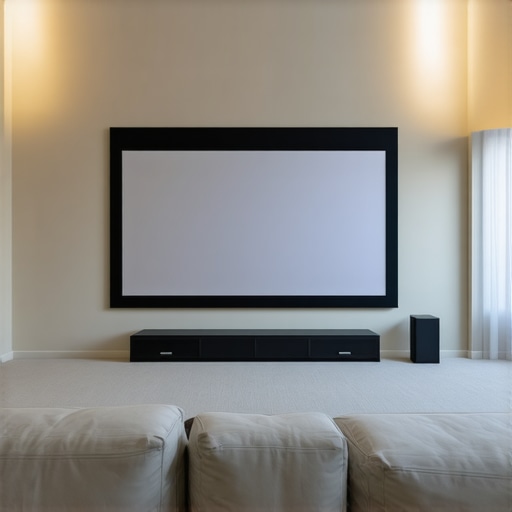
Size matters, especially when trying to maximize immersion. I learned that measuring my room and considering viewing distance are essential steps. A too-small screen might not fill my field of view, while a too-large one can cause image distortion. I used a projection screen size calculator, which you can find here, to find the ideal size for my space. My advice? Aim for a screen that fills your peripheral vision without overwhelming the room. Remember, the right size combined with the correct gain and material can truly elevate your viewing experience.
Ever Wondered Why Some Screens Seem to Make Bright Rooms Look Amazing?
This is where ALR technology shines. ALR screens are engineered with special materials that direct ambient light away from the viewer’s line of sight, maintaining contrast and color vibrancy. It’s fascinating how these innovations help us enjoy cinematic quality even in less-than-ideal lighting conditions. If you’re curious, I highly recommend exploring the top ALR screen options and understanding their unique properties on reputable sources like CineGear Guide.
If you’ve had similar experiences or want to share your journey with projection screens, please leave a comment below. I love hearing how others are customizing their home theaters!
How Do Advanced Material Choices Elevate Your Home Theater Experience?
Choosing the right ALR (Ambient Light Rejection) screen material is pivotal in crafting a cinematic environment that rivals commercial theaters. Beyond basic gain ratings, the composition of the fabric—whether it’s a micro-structured surface or a specialized reflective coating—can significantly affect contrast, color accuracy, and viewing angles. For example, high-end materials often incorporate micro-lens technology that optimizes light distribution, ensuring a uniform image across the entire screen. As I explored various options, I learned that materials like woven or perforated fabrics can offer better airflow and durability, which is essential for long-term use. To deepen your understanding, consult authoritative sources like CineGear Guide, which details the nuances of material construction and their impact on performance.
What Are the Practical Impacts of Gain Variations on Ambient Light Rejection?
Gain is more than just a number; it embodies how much light the screen reflects back to the viewer. Higher gain surfaces, typically above 2.0, are excellent for brightly lit rooms because they amplify the projected image, but they also come with trade-offs. For instance, increased gain can lead to hotspotting—where the center appears brighter than the edges—and limited viewing angles, meaning viewers off to the side might experience degraded image quality. Conversely, lower gain screens, around 1.0 to 1.3, favor wider viewing angles but may not perform as well in ambient light. I recommend experimenting with different gain levels to find your optimal balance, especially if your room has mixed lighting conditions. For detailed insights, consider reviewing this comprehensive guide.
How Can Proper Screen Size Enhance Your Viewing and Immersive Experience?
Screen size selection is a nuanced decision that hinges on room dimensions, viewing distance, and personal preference. A larger screen can dramatically increase immersion but may cause eye strain or image distortion if it exceeds the optimal size for your space. I used a projection screen size calculator available here to determine the ideal dimensions for my setup. Keep in mind that the aspect ratio also affects perceived size; most home theaters benefit from a 16:9 or 2.35:1 aspect ratio depending on content preferences. Achieving the perfect size, coupled with the right gain and material, can elevate your cinematic experience to new heights.
What Factors Should Be Considered When Customizing an ALR Screen for Different Room Conditions?
Every home theater room presents unique challenges—varying ambient light levels, room size, and seating arrangements. An expert approach involves assessing these variables and selecting an ALR screen that mitigates their impact. For example, a room with large windows might benefit from a high-gain, matte-finished surface that scatters ambient light, whereas a dedicated dark room could utilize a low-gain, high-contrast material for maximum image depth. Additionally, the screen’s mounting height and angle influence viewing comfort and image clarity, especially in multi-row seating configurations. When considering these factors, consult detailed guides like this expert resource to tailor your choice precisely to your space.
If you’ve experimented with different ALR screens or have tips to share, I invite you to leave a comment below. Sharing real-world experiences helps us all optimize our home theaters and enjoy cinema-quality visuals every time.
How Does the Complexity of Material Composition Influence My Perception of Contrast and Color Fidelity?
One of the most fascinating aspects of selecting an ALR screen is understanding how the intricate micro-structures and reflective coatings within the fabric can dramatically alter image quality. When I first started exploring high-end ALR materials, I was surprised to learn that some fabrics incorporate micro-lens arrays or perforations designed to direct ambient light away from the viewer while maximizing the projection’s contrast. This nuanced engineering means that not all materials with similar gain ratings behave identically; their microscopic features can enhance or diminish color accuracy and depth perception. For instance, I found that certain woven fabrics with micro-structured surfaces provide a more natural, film-like quality compared to glossy, highly reflective surfaces. To deepen my understanding, I frequently consult authoritative sources like CineGear Guide, which explains the sophisticated interplay between material composition and visual fidelity. Recognizing these subtle differences helped me refine my choice and ultimately achieve a more immersive viewing experience.
What Are the Hidden Trade-Offs of High-Gain Surfaces in Bright Rooms?
High-gain ALR screens, often exceeding 2.0, are a tempting solution for bright environments, but their advantages come with nuanced challenges. From my personal experience, I discovered that while these surfaces produce a brighter image, they can also introduce hotspots—areas where the light reflection is disproportionately concentrated—leading to uneven brightness across the screen. Moreover, the limited viewing angles become more pronounced, meaning viewers sitting off-center might notice a loss of contrast or color vibrancy. This is especially problematic when hosting larger groups or arranging seating in a typical living room. Interestingly, some high-gain surfaces employ specialized coatings or micro-structures that mitigate hotspots, but they often increase manufacturing complexity and cost. I recommend experimenting with different gain levels—perhaps starting around 1.8—and considering the room’s lighting conditions carefully. For an in-depth exploration of these trade-offs, I found this comprehensive guide invaluable, helping me strike a balance that suits my environment.
How Do I Strategically Decide on the Perfect Screen Size for My Unique Room Dimensions?
Choosing the ideal screen size is perhaps the most personalized aspect of setting up a home theater. I learned that a larger screen can dramatically boost immersion, but only if it fits seamlessly within the room’s proportions. Using a projection screen size calculator I found here, I was able to input my room dimensions and viewing distance to determine the optimal size. One key insight I gained is that the aspect ratio also plays a significant role—most home theaters opt for 16:9 or 2.35:1 depending on content preference. I realized that aiming for a screen that fills my peripheral vision without overwhelming the space creates a more natural, cinematic experience. It’s a delicate balance—too small and the impact is lost; too large and it becomes uncomfortable or distorted. If you’re planning your own setup, I highly recommend taking these measurements seriously and experimenting with different sizes virtually or through projection simulators. Achieving the right size, combined with the optimal gain and material choice, truly elevates your entire viewing experience.
What Are the Practical Considerations When Customizing an ALR Screen for Different Room Conditions?
Every room presents its unique set of challenges—whether it’s ambient light levels, seating layout, or architectural features. When I customized my ALR screen, I took a holistic approach. For rooms with significant natural light, I prioritized high-gain fabrics with diffuse reflectivity to scatter ambient light and preserve contrast. Conversely, in a dedicated dark room, I opted for a low-gain, high-contrast material to maximize depth and color richness. The mounting height and angle also matter; I found that aligning the screen at eye level and ensuring minimal light spill improved clarity and reduced glare. Seating arrangements influence viewing angles, and I learned that opting for flexible mounting options can help adapt the screen’s position for the best experience. To guide this process, I used insights from this expert resource, which emphasizes tailoring the screen’s properties to your specific environment. Sharing these experiences, I invite fellow enthusiasts to reflect on their room-specific adjustments—because no two home theaters are exactly alike, and the best setups are those finely tuned to your space and viewing habits.
Unveiling the Micro-Structures That Transform Visual Fidelity
While my initial focus was on gain ratings and material types, I soon discovered that the microscopic engineering within ALR screens plays a pivotal role in elevating contrast and color accuracy. High-end fabrics often incorporate micro-lens arrays or perforations that intricately direct ambient light away from the viewer, ensuring a pristine, cinema-like image. This nuanced layer of design profoundly impacts how we perceive depth and vibrancy, especially when viewing content with subtle gradations. For instance, I found that woven fabrics with micro-structured surfaces offer a more naturalistic film-quality, as opposed to glossy surfaces that tend to reflect light unevenly. To deepen my understanding, I regularly consult authoritative sources such as CineGear Guide, which highlights how these micro-structures can optimize light distribution and contrast. Recognizing these engineering nuances has allowed me to select screens that deliver unparalleled color fidelity and depth, transforming my viewing experience from good to exceptional.
What Are the Hidden Trade-Offs of High-Gain Surfaces in Bright Rooms?
High-gain ALR screens, often exceeding 2.0, seem ideal for bright environments, but my personal exploration revealed their subtle drawbacks. These surfaces tend to concentrate reflected light into hotspots, creating uneven brightness that can distract from the cinematic immersion. Additionally, the limited viewing angles mean that viewers positioned off-center experience diminished contrast and color vibrancy. This becomes especially significant in group settings or when arranging multiple seating positions. Interestingly, some manufacturers incorporate micro-structures or specialized coatings to mitigate hotspots, yet these solutions often come at increased cost and complexity. I recommend starting with a gain around 1.8, then adjusting based on your room’s lighting conditions and seating layout. For a comprehensive understanding of these trade-offs, I rely on resources like this guide, which offers detailed insights into balancing gain and performance.
How Do I Fine-Tune My Screen Size for a Seamless Viewing Experience?
Choosing the perfect screen size is a nuanced art that requires measuring your room dimensions and understanding your viewing habits. I found that a larger screen dramatically enhances immersion but only if it harmonizes with the room’s proportions and seating distance. Using a projection screen size calculator I discovered here, I could simulate different sizes and aspect ratios to find the optimal fit. For my setup, aiming for a screen that fills my peripheral vision without causing discomfort created a natural, cinematic feel. Remember, aspect ratio choices—whether 16:9 or 2.35:1—also influence perceived size and immersion. Experimenting with virtual models or projection simulators can help you visualize the ideal dimensions, ensuring your setup maximizes both comfort and impact.
Can Customizing an ALR Screen Address Unique Room Challenges?
Absolutely. Every home theater space presents distinct challenges—ambient light sources, architectural features, and seating arrangements. When I tailored my ALR screen, I prioritized high-gain, diffuse-reflectivity fabrics for rooms with large windows, which scatter ambient light and preserve contrast. Conversely, in my dedicated dark room, I opted for a low-gain, high-contrast material to maximize depth and color vibrancy. Proper mounting height and angle are equally crucial; I found that aligning the screen at eye level and minimizing light spill significantly enhanced clarity. Seating layout also influences the optimal viewing angles, prompting me to experiment with flexible mounting options for best results. For guidance, I turn to this expert resource, which emphasizes customizing the screen’s properties to your environment. Sharing these tailored experiences can inspire fellow enthusiasts to craft their own perfect home theaters, tuned precisely to their space and preferences.
How Do Micro-Engineering Innovations Elevate Contrast & Color in ALR Screens?
Delving into the micro-engineering behind ALR screens reveals how sophisticated fabric constructions enhance visual depth. Micro-lens arrays and reflective coatings are engineered to meticulously direct ambient light away from the viewer, allowing projected images to retain contrast and vibrancy even in challenging lighting conditions. This intricate design significantly impacts how we perceive subtle color gradations and depth, making content feel more immersive. For example, I noticed that fabrics with micro-structured surfaces provided a more natural, film-like quality compared to glossy alternatives. To stay informed, I frequently consult CineGear Guide, which explores how these micro-structures influence performance. Appreciating these engineering marvels has empowered me to select screens that deliver richer, more accurate color reproduction, transforming my viewing environment into a true cinematic sanctuary.
Things I Wish I Knew Earlier (or You Might Find Surprising)
The Hidden Power of Micro-Structures
When I first chose my ALR screen, I underestimated how much the tiny micro-lenses and perforations within the fabric could dramatically improve contrast and color fidelity. It was a game-changer once I realized that these microscopic features help direct ambient light more efficiently, creating a richer, more immersive picture. Learning this made me appreciate high-end screens even more.
Gain Isn’t Just a Number
Initially, I thought a higher gain was always better, but I discovered that it’s a double-edged sword. Higher gain surfaces reflect more light, making images brighter in well-lit rooms, but can cause hotspots and viewing angle issues. Finding the right balance, typically around 1.8 to 2.0, turned out to be vital for my setup.
Size Matters More Than I Expected
Choosing the right screen size was more nuanced than simply filling my wall. Using a size calculator, I learned that optimal size depends on room dimensions and viewing distance. Too big, and it felt overwhelming; too small, and I missed out on cinematic immersion. Personal testing through virtual simulations helped me nail it.
Ambient Light Rejection Is a Real Savior
Living in a bright neighborhood, I was skeptical about achieving good contrast, but ALR screens proved me wrong. They’re engineered to reject ambient light, preserving contrast and vibrant colors even during daytime viewing. It’s amazing how technology can make bright rooms feel like dedicated theaters.
The Material Composition Can Make or Break Your Experience
Woven fabrics with micro-structures provided a more natural, film-like look compared to glossy surfaces. Understanding how different materials affect color accuracy and viewing angles helped me select a screen that truly elevates my viewing quality, almost like having a personal cinema.
Resources I’ve Come to Trust Over Time
- CineGear Guide: An excellent resource explaining the nuances of ALR screen materials and gain, helping me understand what to look for in a quality screen.
- ProjectorCentral: Offers detailed reviews and calculators for choosing the right screen size and projector setup, which I found invaluable for my planning.
- AVS Forum: A community of home theater enthusiasts sharing real-world experiences and tips, making it a great place to learn from others’ successes and mistakes.
- Home Theater Review: Provides in-depth analysis of the latest projection screens and technologies, keeping me updated on industry innovations.
Parting Thoughts from My Perspective
Exploring ALR screen options has been a rewarding journey. From understanding the micro-structures that enhance contrast to balancing gain and size for my room, each step has brought me closer to a true cinematic experience at home. Remember, the key is to tailor your setup to your specific environment—there’s no one-size-fits-all solution. If this resonates with you, I’d love to hear your story or tips. Sharing experiences helps us all refine our home theaters and enjoy movies the way they were meant to be seen. Happy viewing!
Reading through this guide really resonated with my own journey into home theater setup. I remember feeling overwhelmed by all the options when I first started exploring ALR screens. What struck me most was the emphasis on understanding the micro-structures within the fabric—it’s amazing how this tiny engineering detail can significantly elevate contrast and color fidelity. I’ve had great success with a woven fabric that incorporates micro-lens technology; the picture quality feels incredibly natural, almost like the cinema experience. It makes me wonder, how do other enthusiasts balance the trade-offs between gain and viewing angles, especially in rooms with multiple seating areas? I’ve found experimenting with different gain levels, starting around 1.8, has been key in optimizing performance for my space. I’d love to hear others’ strategies for managing hotspots or brightness inconsistencies with high-gain surfaces. Sharing these insights can really help us all make smarter choices for our home theaters.
I really appreciate this comprehensive overview of ALR screens, especially the insights on micro-structures and the impact on contrast and color fidelity. Having experimented with different high-gain materials myself, I can attest to how micro-lens technology truly elevates picture quality, making the images appear more natural and vivid, even in rooms with some ambient light. I remember initially struggling with hotspots when I chose a screen with a gain over 2.0, but switching to a slightly lower gain around 1.8 helped diffuse hotspots and widened the viewing angles significantly. One challenge I faced was balancing brightness with color accuracy—sometimes brighter isn’t always better if it compromises the richness of colors. Based on your experience, do you think perforated fabrics with micro-structures are superior for long-term durability and airflow? I’d love to hear others’ thoughts on the best materials that combine performance with longevity, as I plan my next upgrade soon.