Ultimate Guide to Projection Screen Size & Material Selection
My First Encounter with Projection Screens: A Personal Tale
When I first decided to upgrade my home entertainment setup, I was overwhelmed by the sheer variety of projection screens available. I vividly remember spending hours researching, trying to understand how to choose the right size and material for my space. It was a journey filled with discovery, trial, and error, but ultimately, it transformed my viewing experience into something truly cinematic.
Deciphering the Art of Projection Screen Size
Initially, I underestimated how crucial screen size was. I learned that selecting the right size depends on my room dimensions and viewing distance. For example, I found that a screen too large could cause eye strain, while too small might diminish the immersive experience. A helpful tip I discovered was to use the formula: the ideal viewing distance should be approximately 1.5 to 2.5 times the diagonal screen size. For more detailed guidance, I recommend exploring this comprehensive size guide.
Choosing the Perfect Projection Screen Material: My Personal Insights
As I dove deeper into material options, I realized that the screen’s surface profoundly impacts picture quality. I experimented with matte white surfaces and learned that they offer excellent color accuracy and wide viewing angles, ideal for a standard room setup. However, in a brighter room, I found that materials with higher gain, like ALR (Ambient Light Rejection) screens, helped retain brightness and contrast. To understand gain better, I read an insightful article from this resource. It clarified how gain influences brightness and viewing angles, making my choice more informed.
What Makes a Material Suitable for My Room?
In my experience, the key is balancing ambient light and desired image quality. For bright rooms, I opted for ALR screens with higher gain, which effectively reject ambient light and enhance contrast. For darker rooms, standard matte surfaces suffice. I also learned that the material’s texture can affect image sharpness; smoother surfaces tend to produce crisper images. Check out this comparison of ALR materials to find the best fit for your environment.
How Do I Know if the Screen Material Will Match My Projector?
Matching your projector with the right screen material involves understanding your projector’s lumen output and the gain of the screen. For example, a high-lumen projector paired with a high-gain screen can produce a bright, vivid image even in well-lit rooms. Conversely, a lower lumen projector might benefit from a matte screen to prevent overexposure. I suggest consulting your projector’s specifications alongside the screen’s gain ratings to achieve optimal results. For a detailed comparison, see this guide.
If you’ve navigated similar choices or have questions, I’d love to hear your experiences. Drop a comment below and share how you selected your ideal projection screen!
Remember, choosing the right size and material can significantly elevate your viewing experience, turning your home into a personal cinema. Happy projecting!
How Does Screen Gain Influence Your Viewing Experience?
Understanding the impact of screen gain is vital for tailoring your home cinema to your specific environment. Gain essentially measures how much light the screen reflects back towards the viewer, influencing brightness, contrast, and viewing angles. Higher gain screens, like ALR (Ambient Light Rejection) options, can significantly enhance picture quality in rooms with ambient light, but they often come with narrower viewing angles. Conversely, lower gain screens provide wider viewing angles, making them suitable for larger seating arrangements or rooms where viewers are positioned at diverse angles. For a comprehensive understanding, explore this detailed guide on projection screen gain, which dives into the nuanced effects of gain on image quality and viewer experience.
Choosing the Right Material: Matte White, ALR, or Specialty Surfaces?
When selecting a material, your room’s lighting conditions, projector lumen output, and seating arrangement all play critical roles. Matte white screens are versatile and provide excellent color accuracy with wide viewing angles, suitable for dark or controlled lighting environments. For brighter rooms, ALR screens with higher gain, such as those with micro-structured surfaces, can reject ambient light and preserve contrast. Specialty surfaces, like acoustically transparent screens, also exist, allowing speakers to be placed behind the screen without compromising audio quality. To navigate these options, check out this comparison of ALR screen options which offers insights into selecting the best material for your specific needs.
Can Your Projector’s Specifications Guide Your Screen Material Choice?
Absolutely. Matching your projector’s lumen output, contrast ratio, and color profile with the screen’s gain and surface texture is essential for optimal results. For instance, a high-lumen projector paired with a high-gain ALR screen can deliver vivid images even in well-lit rooms. Alternatively, a projector with lower lumen output might require a matte surface to prevent overexposure and maintain image integrity. I recommend consulting this expert guide to align your projector specs with the ideal screen material, ensuring a balanced and bright image that meets your expectations.
If you’re curious about customizing your setup or have experiences with different materials, I invite you to share your insights in the comments or suggest topics you’d like me to cover next. Your feedback enriches this community of home theater enthusiasts!
Remember, the right combination of gain and material not only enhances brightness and contrast but also extends the lifespan of your projector by reducing unnecessary strain. Dive deeper into your options with this comprehensive resource and elevate your home cinema to professional standards!
Beyond the Basics: Personal Reflections on Choosing Projection Screen Materials
As I delved deeper into the world of projection screens, I realized that the journey is far more complex than simply picking a matte white or ALR surface. My personal experience taught me that understanding the subtle nuances of each material’s texture, reflectivity, and even manufacturing process could dramatically influence my viewing pleasure. For instance, I discovered that some specialty surfaces incorporate micro-structured patterns designed to optimize light diffusion and reduce hotspots, which can be a game-changer for those seeking a uniform image across larger screens. Exploring these advanced materials made me appreciate that the perfect screen is a blend of technical precision and tailored adaptation to your unique environment.
How Do Advanced Screen Materials Affect Long-Term Brightness and Color Fidelity?
This question became my focus as I experimented with different surfaces. I learned that high-gain materials, while fantastic for boosting brightness, can sometimes cause color shifts or glare if not chosen carefully. Conversely, matte surfaces tend to preserve color accuracy but might require a high-lumen projector to achieve the desired vibrancy. I came across a detailed analysis from this authoritative source which explains how different materials handle light over extended periods. My takeaway? Investing in quality materials with proven durability ensures that your investment maintains its visual fidelity and brightness for years, avoiding the pitfalls of fading or yellowing that less-robust surfaces might suffer over time.
Personal Tips for Matching Screen Material to Unique Room Conditions
From my own setup, I found that the key to a successful match lies in a detailed assessment of your room’s lighting, furniture placement, and seating arrangement. For example, in a room with large windows and variable natural light, I opted for an ALR screen with a high gain that could reject ambient light without sacrificing contrast. In contrast, my darker media room benefits from a matte white surface, which offers a wider viewing angle and more natural color reproduction. A crucial tip I learned is to consider the room’s future modifications—adding curtains or changing furniture might alter the lighting conditions, requiring a reevaluation of your screen choice. For more tailored advice, check out this comprehensive guide.
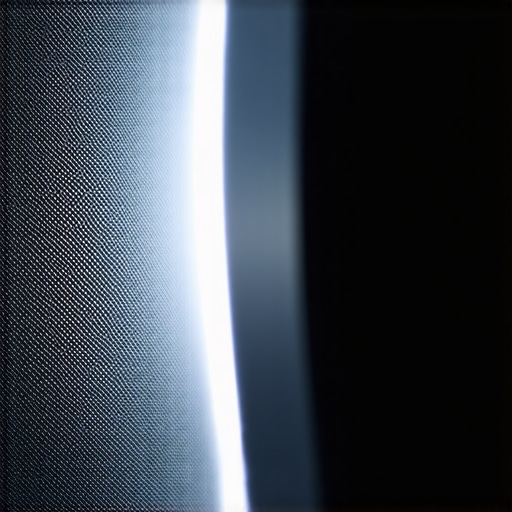
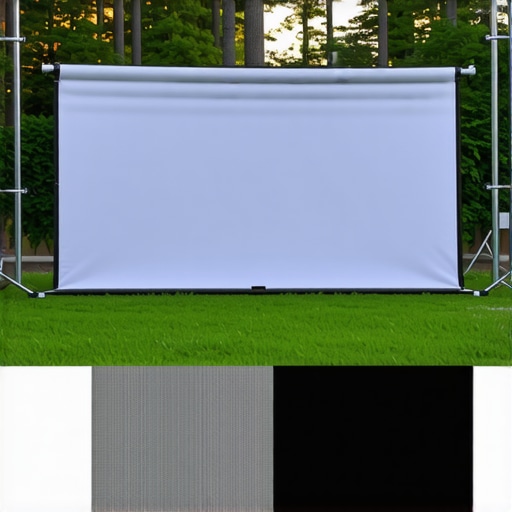
Reflective surface close-up showing micro-structured pattern for light diffusion
How Can I Future-Proof My Projection Screen Investment?
This is a question I often pondered as I considered the longevity of my setup. My strategy involved selecting a versatile material that could adapt to different projector technologies and ambient conditions. For instance, choosing a screen with a moderate gain and a durable coating ensures it performs well across a range of luminance levels and resists environmental wear. Moreover, I learned that some manufacturers offer upgrade options or modular surfaces, allowing you to swap out the material if your needs evolve. Engaging with the community through forums or reading expert reviews from this resource helped me identify promising long-term solutions. Remember, your home theater is a dynamic space—anticipating future upgrades can save you significant time and expense down the line.
Have you experimented with different projection screen materials? I’d love to hear your insights or challenges you’ve faced. Feel free to share your experiences in the comments—your journey might inspire others to make more informed choices. Ultimately, the right material, carefully matched to your room and projector, transforms a simple screen into a window to cinematic excellence that lasts for years.
Exploring the Nuances of Micro-Structured Surfaces for Uniform Brightness
Delving into the realm of advanced projection screens, I became particularly fascinated by the micro-structured surfaces designed to optimize light diffusion. These innovative materials incorporate tiny geometric patterns that scatter light evenly across the entire screen, effectively eliminating hotspots and ensuring a consistent image quality. My personal experiments with micro-structured surfaces revealed a marked improvement in image uniformity, especially on larger screens where hotspots are more prevalent. This technology not only enhances visual fidelity but also extends the lifespan of your projector by reducing glare and overexposure in specific areas.
How Do Specialized Coatings Improve Long-Term Color Fidelity and Brightness?
One aspect that truly captivated my interest is the role of specialized coatings applied to high-end projection screens. These coatings serve multiple functions: they protect the surface from environmental factors like dust and UV exposure, while also maintaining color accuracy over time. I discovered that some coatings incorporate nano-technology, which actively resists yellowing and degradation, preserving the vibrancy of the projected image for years. An authoritative resource I consulted, this detailed guide, explains how these coatings work at a molecular level to ensure longevity and consistent performance. For enthusiasts seeking long-term investment in their home cinema, selecting screens with advanced protective coatings can be a game-changer.
Can Modularity and Upgradeability Future-Proof Your Projection Setup?
In my pursuit of a sustainable and adaptable home theater, I explored modular screen designs that allow for upgrades and customization. These systems typically feature interchangeable surface layers or modular frames, enabling users to swap out materials as newer, more advanced options become available. This approach not only extends the lifespan of the investment but also provides flexibility to adapt to evolving projector technologies or room conditions. Engaging with community forums and industry reviews, I learned that some manufacturers now offer upgrade programs, making it easier to stay current without the need for complete replacements. For a comprehensive overview, check out this guide on upgradeable screens. I encourage fellow enthusiasts to consider modular solutions as a strategic choice for long-term satisfaction.
What Are the Trade-Offs Between High-Gain and Wide-Angle Screens in Dynamic Room Environments?
Balancing gain and viewing angles remains a delicate dance, especially in rooms with variable seating arrangements. High-gain screens excel at boosting brightness and contrast in controlled lighting, but often at the expense of narrowing the viewing angles. This can lead to color shifts or glare when viewers sit off-center. Conversely, wide-angle screens with lower gain provide more consistent images across diverse seating positions but may sacrifice some brightness. My personal setup involved a hybrid approach: employing a high-gain ALR screen for primary seating areas and a wider-angle matte surface for secondary spots. This tailored solution maximized image quality for different viewing zones. For in-depth analysis, I recommend reading this resource on gain and angle considerations. Share your own configurations — I find that exchanging practical experiences often leads to innovative solutions in home cinema design.
Things I Wish I Knew Earlier (or You Might Find Surprising)
Material Texture Matters More Than You Think
When I first started exploring projection screens, I underestimated how much the surface texture could influence image quality. My initial choice of a matte white surface looked good but lacked the vibrancy I craved. After experimenting, I realized that micro-structured surfaces can help diffuse light evenly, resulting in a more uniform and vivid picture. This insight changed my entire home cinema experience for the better.
Gain Isn’t Just About Brightness — It Affects Viewing Angles Too
I used to think higher gain screens automatically meant better images, but I learned that they often come with narrower viewing angles. This meant that if I sat off-center, the picture would get dimmer or distorted. Finding a balance between gain and viewing angles became a key lesson in optimizing my setup, ensuring everyone enjoyed the show regardless of seating position.
Room Lighting Conditions Are the Ultimate Decider
My room’s ambient light significantly influenced my choice of screen material. Bright rooms benefited from Ambient Light Rejection (ALR) screens, which helped maintain contrast and color accuracy despite the sunlight. On the other hand, darker rooms allowed for matte surfaces that offered wider viewing angles and natural color fidelity. Tailoring your material to your lighting environment is essential.
Durability and Coatings Can Make or Break Your Investment
Over time, I noticed some screens yellowed or faded, affecting image quality. Choosing screens with advanced protective coatings that resist UV and dust can extend their lifespan. These coatings also help preserve color fidelity and brightness, making your investment more worthwhile in the long run.
Modular and Upgradeable Screens Are Worth Considering
I discovered that some manufacturers offer modular screens that allow you to upgrade or swap surfaces as technology advances. This flexibility means your home theater can evolve without a complete overhaul, saving money and effort in the future. It’s a smart strategy for anyone serious about long-term home cinema enjoyment.
Resources I’ve Come to Trust Over Time
- Screen Geeks: This website offers comprehensive guides and reviews on projection screen materials and gains. It helped me understand the technical nuances better and made choosing much easier.
- CineGear Guide: Their detailed articles on ALR screens and gain materials provided me with a solid foundation to select the right setup for my room. I recommend it to anyone wanting trustworthy, in-depth info.
- Projector Central: While primarily focused on projectors, their insights into how different screens interact with various luminance levels are invaluable. It’s a resource I keep coming back to.
Parting Thoughts from My Perspective
Choosing the right projection screen material is a journey of experimentation and learning. From understanding gain and texture to considering your room’s lighting conditions, every detail matters. I’ve found that investing in quality, durable, and adaptable materials pays off in the long run, transforming your home cinema into a truly immersive experience. If this resonates with you, I’d love to hear your thoughts or experiences—sharing them might help others make smarter choices. Remember, your perfect screen is out there, waiting to elevate your viewing pleasure to new heights. Happy projecting!