Projection Screen Size & Material Guide: Find the Perfect Fit for Your Space
My Journey into the World of Projection Screens: Finding the Perfect Fit
It all started when I decided to upgrade my home theater setup. I vividly remember the excitement of browsing through countless options, trying to figure out what screen size and material would truly elevate my movie nights. As someone passionate about quality visuals, I quickly learned that choosing the right projection screen isn’t just about size—it’s about harmony with your space and viewing habits.
Why Screen Size Matters More Than You Think
When I first looked into projection screens, I underestimated how crucial size is. I used to think bigger was always better, but I soon realized the importance of balancing screen size with room dimensions and seating distance. For my living room, I found that a 120-inch screen struck the perfect balance—immersive yet comfortable. I also discovered that room lighting plays a role; brighter rooms demand screens with specific gain levels to reduce glare and enhance clarity.
Material Matters: Finding My Visual Sweet Spot
Choosing the right material was a game-changer. I explored options like matte white, high contrast, and gray screens. My personal favorite turned out to be a high-quality matte white fabric, which offered vibrant colors and sharp details without unwanted reflections. I learned that screen gain, or brightness, significantly impacts image quality, especially in rooms with ambient light. For brighter environments, a screen with a higher gain can really make a difference, as explained in this detailed guide: Best material and gain for bright rooms.
What’s the Ideal Projection Screen Size for My Space?
This question haunted me initially. I wanted a cinematic experience, but my room wasn’t vast. I found that the ideal screen size depends on the distance between the projector and the seating area. A good rule of thumb is that the viewing distance should be about 1.5 to 2.5 times the diagonal size of the screen. For my 120-inch setup, I sit roughly 10 feet away, which feels just right. To make the best choice, I also used online calculators and consulted expert opinions, like those on CineGearGuide.
How do I balance screen size with room aesthetics and practical constraints?
This is where my personal experience shines. I found that a larger screen can sometimes dominate a room, but with clever placement and minimalistic decor, it becomes a stunning centerpiece. Remember, it’s about creating an immersive experience without sacrificing comfort or style. I recommend measuring your space carefully and considering the projector’s throw distance before making a decision.
If you’re contemplating between different materials and sizes, I urge you to think about your room’s lighting, seating arrangement, and the kind of content you enjoy. And don’t forget, a well-chosen screen enhances not only movies but also gaming and presentations, making your space truly versatile.
Feeling inspired? Share your own projection screen journey or ask questions below—I love exchanging tips and experiences! For further insights on material choices, check this comprehensive overview: Best material and gain for bright rooms.
Understanding the Nuances of Screen Material and Size for a Premium Home Theater Experience
When diving deeper into the world of projection screens, it becomes evident that the choices extend beyond simple size considerations. As an enthusiast and expert, I’ve found that the interplay between screen material, gain, and size significantly influences the overall viewing quality. For instance, selecting a screen material with the right surface texture can reduce glare and enhance color accuracy, especially in multi-purpose rooms. High contrast screens, often made from specialized fabrics, can deliver deeper blacks and richer colors, transforming your space into a true cinematic sanctuary.
How to Fine-Tune Your Screen Choice for Different Content and Lighting Conditions
One of the most overlooked aspects is how different content types and ambient lighting conditions dictate your screen choice. For example, if your room has large windows or inconsistent lighting, a high-gain screen can compensate by reflecting more light, ensuring vivid images even in brighter environments. Conversely, in a dedicated dark room, a neutral matte white screen may provide better color fidelity and minimal ambient light interference. Tailoring your screen material and gain level is crucial for achieving optimal contrast and clarity across varied scenarios.
Expert Tips for Balancing Screen Size with Room Aesthetics and Practical Constraints
This is where my experience as a home theater designer comes into play. Achieving a harmonious balance between size and aesthetics isn’t just about measurements; it’s about creating a space that feels immersive yet comfortable. For example, a 150-inch screen might be stunning, but if the room’s dimensions don’t support the necessary throw distance, it can feel overwhelming or awkward. Using tools like online calculators and consulting detailed guides— such as best material and gain for bright rooms—can help you make smarter choices that align with both your space and viewing preferences.
**What are the key considerations that experts evaluate when customizing projection screens for unique room environments?** Understanding these factors can lead to a more personalized and satisfying home theater experience. For example, considering the room’s size, lighting, seating arrangement, and even decor style can influence the final choice, ensuring your setup is both functional and visually appealing.
If you’re eager to deepen your knowledge, I recommend exploring comprehensive resources on projection technology and design principles. Sharing your experiences or asking specific questions can also foster a community of passionate home theater enthusiasts. For more expert insights, don’t miss this detailed guide on optimizing your projection setup: Best material and gain for bright rooms.
Beyond Basics: Personal Insights into Customizing Projection Screens for Unique Spaces
As I delved deeper into the art of setting up a home theater, I realized that the details matter just as much as the big picture. One experience that particularly resonated with me was redesigning my screen setup after moving to a new apartment. The room’s dimensions, lighting, and even decor style required a more nuanced approach to my projection screen choice. I discovered that understanding how to optimize screen material and size for specific environments can transform a standard setup into a cinematic masterpiece. For instance, I experimented with different fabrics and gain levels, learning that a high-contrast screen with a matte finish worked wonders in my room’s ambient light conditions, which was confirmed by expert advice on best material and gain for bright rooms.
How Do I Balance Advanced Technical Factors with Aesthetic Appeal?
This question often haunted me—how to keep my setup both technically perfect and visually harmonious. I found that choosing a screen with a subtle frame that blends with my wall color made a significant difference. Additionally, I realized that the screen’s texture and material should complement my room’s overall design, avoiding overly industrial or stark appearances. The challenge was to find a balance where the technical specs—like gain, color accuracy, and reflectivity—support a stunning aesthetic without overpowering the space. I learned that small adjustments, such as mounting the screen slightly recessed or using ambient light-reducing curtains, further enhanced the viewing experience, especially during daytime movies or gaming sessions. This level of customization is where true satisfaction lies, and I encourage fellow enthusiasts to experiment with different materials and placements, guided by expert insights.
What are the Hidden Nuances That Elevate a Projection Screen from Good to Exceptional?
From my perspective, the subtle nuances—like the micro-texture of the fabric or the precise color fidelity—play a pivotal role. For example, I found that screens with a slight textured surface help diffuse ambient light, reducing glare and preserving image sharpness. Moreover, understanding how the projection angle and throw distance influence the perceived image quality is crucial. According to industry standards, such as those discussed on this detailed guide, selecting the right gain and material can dramatically improve contrast ratios and color depth, especially in challenging environments. These details, often overlooked by beginners, make the difference when creating a truly immersive experience.
Sharing your own journey or questions about projection screens can be incredibly helpful—after all, each room is unique. I invite you to comment below or explore more about optimizing your setup. Remember, the perfect projection screen is not just about specifications; it’s about aligning your space, content preferences, and aesthetic vision into a cohesive and satisfying home theater environment.
<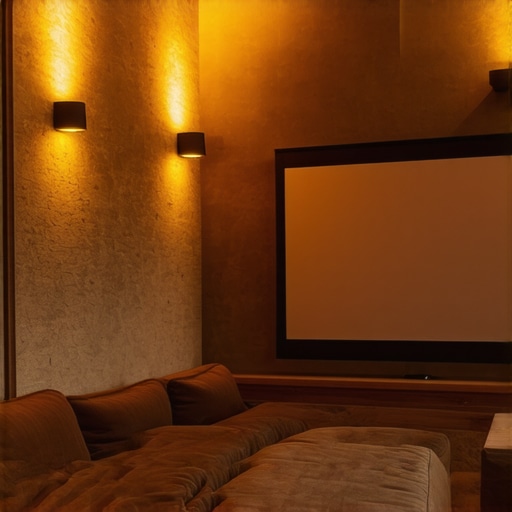
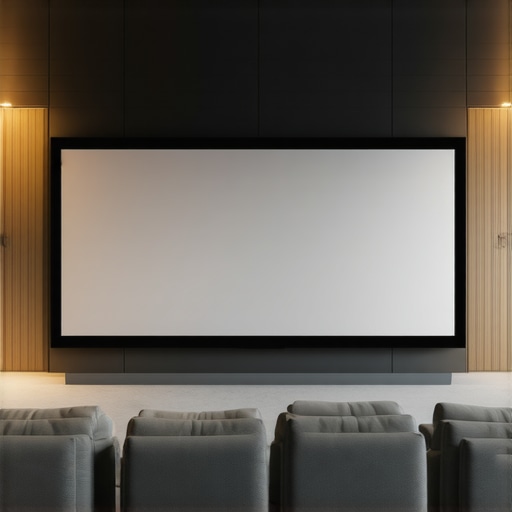
**An elegant home theater corner showcasing a custom-sized projection screen with textured fabric, ambient lighting, and sleek decor.**
Refining Your Visual Experience with High-Performance Screen Technologies
In my pursuit of cinematic perfection, I delved into the nuances of advanced projection screen materials, discovering that subtle surface textures and reflective properties can significantly influence contrast and color depth. For instance, I experimented with screens featuring micro-etched surfaces, which diffuse ambient light more effectively, resulting in a crisper image even in less-than-ideal lighting conditions. According to industry insights from CineGearGuide, choosing a screen with micro-etching or similar surface treatments can elevate your viewing experience by minimizing glare and enhancing luminance uniformity.
How to Tailor Projection Parameters for Diverse Content and Room Dynamics
Adjusting gain levels and projection angles is crucial for achieving optimal image fidelity across various media types. For high-dynamic-range content and vibrant gaming visuals, I found that screens with adjustable gain settings help fine-tune brightness and contrast. Moreover, optimizing the projection angle ensures consistent image quality, especially in rooms with unconventional layouts or ceiling-mounted projectors. This involves meticulous calibration of throw distance, keystone correction, and even ambient light management, which collectively contribute to a cohesive visual presentation. Expert guides emphasize that understanding these technical parameters allows you to customize your setup precisely, ensuring that each scene retains its intended depth and vibrancy.
What are the key considerations when integrating ambient light rejection (ALR) screens into complex room environments?
Integrating ALR screens requires an in-depth understanding of your room’s lighting scenarios. I discovered that selecting an ALR screen with a specialized optical coating can dramatically improve contrast in environments with multiple light sources. This technology works by reflecting projected light while diffusing ambient light, thereby preserving black levels and color accuracy. However, the effectiveness of ALR screens can vary depending on the room’s layout and light sources. For example, I had to reposition my seating and adjust window treatments to maximize the benefits of an ALR screen, which significantly enhanced my viewing clarity during daytime sessions. For a comprehensive understanding, I recommend exploring detailed analyses on best material and gain for bright rooms, where technical specifications are broken down for nuanced decision-making.
Engaging with these advanced considerations has transformed my approach from a basic setup to a highly customized home theater environment. I encourage fellow enthusiasts to explore these technical intricacies, experiment with different configurations, and share their experiences. The journey toward a perfect projection system is iterative, and embracing continuous learning is key to mastering the art of cinematic immersion.
< >
>
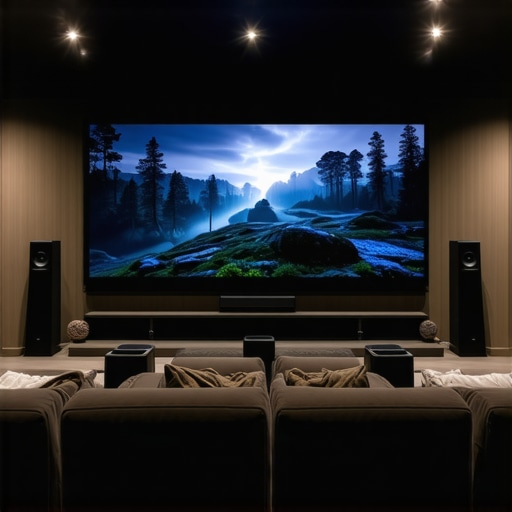
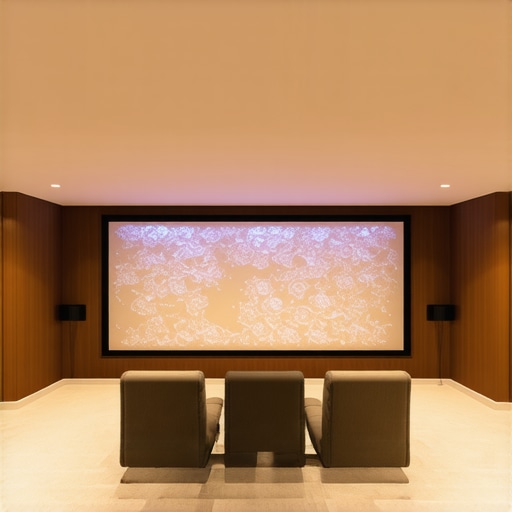
**An ultra-modern home theater with a high-gain, textured projection screen, advanced lighting control, and sleek decor that exemplifies expert-level customization.**
Things I Wish I Knew Earlier (or You Might Find Surprising)
Hidden Impact of Screen Texture
When I first picked my projection screen, I underestimated how much the surface texture could influence image clarity. I once chose a smooth surface thinking it would be best, only to find reflections and glare ruining my viewing experience during daytime. Switching to a micro-textured screen, as recommended by industry experts, made a noticeable difference, diffusing ambient light and improving contrast.
Size Isn’t Always Better
I used to believe bigger screens would automatically deliver a more cinematic feel. However, I discovered that room dimensions and seating distance are crucial. An oversized screen in a small room can feel overwhelming and uncomfortable. Using online calculators and expert advice helped me find the perfect balance, like my 120-inch setup that fits just right.
Material Matters More Than I Thought
Choosing the right material wasn’t just about looks; it affected color accuracy and glare. I experimented with high contrast and gray screens, finally settling on a matte white fabric that offered vibrant colors and minimal reflections. This choice significantly enhanced my overall viewing quality, especially in rooms with ambient light.
Lighting Conditions Should Drive Your Choice
My initial mistake was ignoring ambient lighting. I learned that high-gain screens are better for bright rooms, while matte white screens excel in darker spaces. Adjusting my setup based on lighting conditions improved contrast and color fidelity, making every scene more immersive.
Expert Tips Save Time and Hassle
Reading guides and consulting professionals saved me from costly mistakes. For example, understanding throw distance and gain levels helped me avoid choosing a screen that was too small or incompatible with my projector. It’s a reminder that a little research goes a long way.
Resources I’ve Come to Trust Over Time
- CineGearGuide: This site offers detailed reviews and technical insights on projection screens, helping me understand material and gain options better. I recommend it for anyone serious about optimizing their home theater.
- ProjectorCentral: Their calculators and expert articles made planning my setup much easier, especially when determining optimal screen size and placement.
- AVS Forum: An active community of home theater enthusiasts sharing real-world experiences and troubleshooting tips. It’s a goldmine for practical advice.
Parting Thoughts from My Perspective
Choosing the right projection screen involves more than just picking a size or material; it’s about understanding your space, lighting, and personal preferences. From my experience, thoughtful selection and some expert guidance can transform your home theater from average to extraordinary. I encourage you to experiment, do your research, and enjoy the journey of creating your perfect cinematic space. If this resonated with you, I’d love to hear your thoughts, or feel free to share your own setup tips in the comments! Remember, the best projection screen is the one that elevates your viewing experience and makes your home theater truly special.