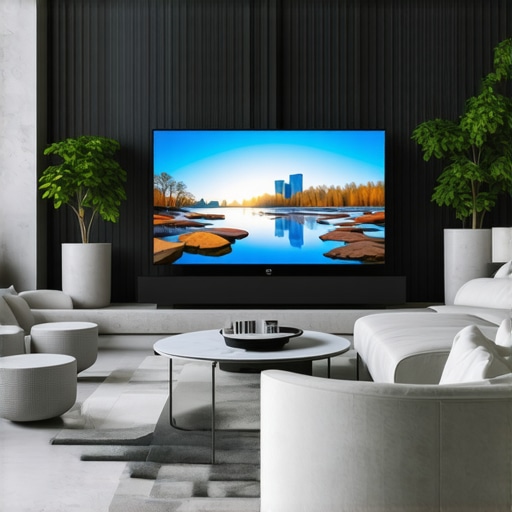
Best ALR Screen Technologies for Bright Rooms in 2024
I remember the moment I realized my home theater was more of a glare-fest than an immersive experience. Bright sunlight streamed through the windows, bouncing off my old projection screen and turning my carefully curated movie night into a squinting contest. Frustration hit hard. I knew there had to be a better way—especially for spaces with lots of ambient light. That was my lightbulb moment, and it led me down a rabbit hole of research and trial-and-error with various projection screens and technologies.
Why Bright Rooms Need Special Screen Technology
In 2024, more of us are transforming living rooms and multi-purpose spaces into home theaters. But the challenge remains the same: how to get crisp, vibrant images in rooms filled with ambient light. Standard screens just don’t cut it. They wash out, lose contrast, and leave you squinting at the picture. That’s where Ambient Light Rejection (ALR) screens come into play. These screens are specially designed to reflect projected light straight back to your eyes while minimizing ambient light interference. Think of them as the unsung heroes of bright-room projection, letting you enjoy movies without needing a cave-like environment.
If you’ve ever faced the disappointment of dim images in a sunny room, you’re not alone. I made the mistake early on of choosing a generic, non-ALR screen because it seemed cheaper. Spoiler: it was a waste of money. The difference with a quality ALR screen is night and day. Want to know how to pick the right one for your space? I’m here to help. We’ll explore the best materials, gain levels, and expert tips to ensure your investment pays off and your viewing experience is crystal clear.
Is ALR Technology Really Worth the Hype
This is the question I hear most often. Honestly, I almost gave up on the idea when I first read about ALR screens. My initial mistake was assuming all screens are created equal. I overlooked the importance of material quality and gain levels—factors that directly affect how well a screen can handle ambient light. As I dug deeper, I discovered that choosing the right ALR screen isn’t just about brand names but about understanding the nuances of materials and gain. For a detailed breakdown, check out this guide on ALR screen options.
Now, I’m confident that with the right knowledge, anyone can transform their bright room into a cinema-quality space. Ready to dive into the world of ALR screens? Let’s get started with what really matters in 2024 and find your perfect setup.
Pick the Right Material for Your Space
Start by understanding the different ALR screen materials available. Not all are created equal, and choosing the best depends on your room’s lighting conditions and budget. I once bought a generic ALR screen without much research, only to realize it washed out in my bright living room. After reading this guide, I learned that high-quality materials with specific gain properties can make all the difference. Focus on those with high gain to reflect more projected light while minimizing ambient light interference.
Calculate Your Screen Size Accurately
Choosing the correct screen size is crucial. Too big, and your projector strains; too small, and you miss the cinematic impact. Use tools like this size guide to match your projector’s throw distance and room dimensions. I once made the mistake of overly enlarging my screen, which caused some pixelation and brightness issues. After recalculating based on my room’s dimensions, I settled on 120 inches, which offered a perfect balance of immersion and clarity.
Focus on Gain and Material Nuances
Gain measures how much light a screen reflects. For bright rooms, a gain between 1.5 and 2.2 works well. Higher gain screens can produce brighter images but tend to reduce viewing angles. I tested a 2.0 gain screen, and the difference was evident—images popped in my sunlit room. Dive into this detailed resource to understand which material suits your needs best. Remember, choosing the right gain is about balancing brightness and viewing angle, especially in rooms with lots of ambient light.
Match Your Projector and Screen
Ensure your projector’s lumen output aligns with your screen’s gain. A high-lumen projector paired with a high-gain screen can produce stunning images even in bright environments. I used this comparison chart to match my projector’s specs with the screen’s properties. This step prevents washed-out images and ensures your setup is optimized for your room’s lighting conditions.
Test and Fine-Tune Your Setup
Once installed, test your setup during different times of the day. Adjust the projector’s brightness and contrast settings to find the sweet spot. I spent an afternoon fine-tuning my projector’s settings, and it made a significant difference in image clarity and color vibrancy. Remember, small tweaks can dramatically improve your viewing experience.
Invest in Quality Accessories
Finally, consider investing in a good projector mount and proper screen tensioning to avoid wrinkles and distortions. A stable setup ensures consistent image quality. I initially skipped this, and my screen developed waves over time, affecting image quality. A sturdy mount and proper installation are worth the effort and expense.
Many enthusiasts believe that investing in an ALR (Ambient Light Rejection) screen automatically guarantees perfect picture quality in bright rooms. However, this is a misconception that can lead to costly mistakes. The reality is that not all ALR screens are created equal, and understanding the nuanced differences can make or break your home theater experience.
One widespread myth is that higher gain always means better performance in ambient light conditions. In truth, while high-gain screens can produce brighter images, they also significantly narrow the viewing angles. This means that if your seating arrangement isn’t perfectly aligned, viewers sitting at an angle may experience washed-out images or color shifts. To avoid this, it’s essential to balance gain with your room’s layout. For detailed guidance on selecting the right gain, check out this resource.
Another common trap is assuming that all ALR screens are suitable for every projector. Projector lumen output, throw distance, and resolution all influence the effectiveness of a particular screen. For instance, a high-lumen projector paired with a low-quality ALR screen can still produce washed-out images. Conversely, a high-quality, well-matched ALR screen can significantly enhance contrast and color vibrancy even in bright environments. To get the perfect match, consider the detailed comparison charts at this guide.
Is It Better to Focus on Material or Technology?
Many overlook the importance of material nuances in ALR screens. It’s tempting to think that the technology itself is enough, but the specific fabric weave, reflective properties, and surface texture play crucial roles. For example, certain materials are engineered to reject specific wavelengths of ambient light, which can drastically improve contrast and color accuracy. As explained in this detailed analysis, selecting the right material tailored to your room’s lighting profile is more effective than just choosing a brand or tech hype.
Finally, many get caught up in the misconception that bigger screens are always better. While larger screens can provide immersive experiences, they also demand more from your projector and room acoustics. An oversized screen in a small room can cause brightness and focus issues, making your investment less worthwhile. Use tools like this size calculator to find the ideal balance between size and clarity.
Have you ever fallen into this trap? Let me know in the comments!
Keeping Your Setup in Top Shape Over Time
Once you’ve invested in a high-quality ALR screen and projector, the next step is ensuring they stay in peak condition for years to come. Regular maintenance not only preserves image clarity but also extends the lifespan of your equipment, saving you money and frustration down the line.
First, keep your projection surface clean. Dust, fingerprints, and even pet hair can degrade image quality. I recommend using a soft microfiber cloth to gently wipe the screen at least once a month. Avoid harsh chemicals; instead, opt for a slightly damp cloth with water or a specialized screen cleaner designed for delicate fabrics. For textured surfaces, a gentle vacuum with a brush attachment can remove embedded debris without damage.
How do I maintain my projection surface over time?
To maintain your ALR screen’s reflective properties, avoid exposing it to direct sunlight or high humidity, which can cause warping or discoloration. If your room has windows, consider installing blackout curtains or UV-protective films. Additionally, check the tensioning of your screen periodically—loose fabric can sag or warp, affecting picture quality. Tighten any mounting hardware as needed, and consider professional re-tensioning if the fabric develops waves or wrinkles.
Beyond the physical upkeep, software and calibration play pivotal roles. Regularly recalibrate your projector’s settings to adapt to any changes in ambient conditions or bulb brightness decay. Tools like calibration disks or software such as ColorMunki can help you fine-tune color accuracy and contrast, ensuring your image remains crisp and vibrant.
Tools I Recommend for Long-Term Maintenance
In my setup, I rely on a few specialized tools that make maintenance straightforward. For cleaning, I use a microfiber cleaning cloth paired with a gentle screen cleaner from brands like ScreenMom. For calibration, I swear by the CalMAN software and a colorimeter like the X-Rite i1Display+. These allow me to regularly check and adjust my projector’s output, maintaining optimal contrast and color fidelity over time.
Additionally, a digital level and a laser measure are invaluable for ensuring your screen remains perfectly aligned and taut. Misalignment or sagging can cause distortions, so periodic checks help catch issues early before they impact your viewing experience.
The Future of Projection Maintenance
Looking ahead, I predict that automation and smart calibration will become more prevalent. Future systems might include integrated sensors that monitor ambient light, temperature, and even screen condition, alerting you when maintenance is needed. As technology advances, expect more user-friendly solutions that simplify long-term upkeep, making it easier than ever to keep your home theater performing flawlessly.
Don’t wait until your picture quality drops—try setting a monthly maintenance schedule now. Small, consistent efforts will ensure your investment continues to deliver stunning visuals for years to come.
The Hardest Lesson I Learned About Bright Room Projection
One of my biggest realizations was that not all Ambient Light Rejection screens are created equal. I initially thought that choosing the most expensive model would automatically guarantee a perfect picture in my sunlit living room. It wasn’t until I experimented with different materials and gain levels that I truly understood the importance of tailoring your setup to your specific lighting environment.
3 Myths About ALR Screens That Held Me Back
First, I believed bigger screens always mean better immersion. Turns out, size can backfire if your projector or room can’t handle it properly. Second, I thought high gain was the ultimate solution for bright rooms. In reality, high gain reduces viewing angles and can cause glare if not chosen carefully. Third, I dismissed the importance of material quality, assuming all ALR surfaces perform similarly—big mistake that I learned through trial and error.
What Experts Won’t Tell You About Bright Room Projection
Many home theater enthusiasts overlook the nuanced differences in ALR screen materials and their impact on contrast and color accuracy. The secret to a spectacular bright-room experience isn’t just buying the most popular or expensive screen but understanding how specific materials and gain levels interact with your projector’s lumens and your room’s layout. For a deep dive into these details, I recommend reading this guide on ALR screen options.
Reading this really resonates with my experience trying to upgrade my home theater setup. I initially thought any high-gain ALR screen would solve my ambient light issues, but I quickly learned that balance is key—especially when it comes to viewing angles and color accuracy. My room is quite bright during the afternoons, and I found that materials with a gain around 1.8 provided a good compromise between brightness and wide viewing angles. One thing I’ve noticed is that pairing the right screen with a projector that has sufficient lumen output made a big difference, especially in ensuring the image remains vivid. Has anyone here experimented with different gain levels in similar lighting conditions? I’d love to hear what has worked for others in terms of optimizing contrast without sacrificing color fidelity in bright rooms.
This post really hits home for me. I used to struggle with glare and washed-out images in my bright living room until I invested in an ALR screen with a gain of around 1.8. I found that pairing it with a projector with at least 3,000 lumens made a noticeable difference. It’s fascinating how choosing the right material and gain level can elevate the viewing experience without needing to remodel the room or block out all ambient light. I’ve also learned that slight adjustments to projector settings, like contrast and color, can further improve image clarity. Regarding the question about correct gain in bright conditions, I think it’s about balancing brightness and viewing angles, especially when seating isn’t perfectly aligned. Have others found that specific materials or brands work better for wide viewing angles? I’m curious to hear if anyone has found a sweet spot for comfort and vividness in similar setups.
Reading about the significance of material quality and gain levels in ALR screens really hit home for me. Last year, I made the mistake of choosing a lower-gain screen for my living room, thinking it would boost brightness in my sunlit space. Unfortunately, it resulted in washed-out images and narrow viewing angles, which was quite disappointing. After doing some research and experimenting, I switched to a high-gain ALR screen with a gain of around 1.8, and the difference was remarkable. The images became sharper, and colors looked much more vibrant even in bright settings. That said, I’ve noticed that higher gain screens tend to narrow the viewing angle, which can be problematic for larger seating arrangements. To mitigate this, I made sure to choose a screen with a gain that balances brightness and angle width appropriately. For those with similar setups, how do you manage the trade-offs between gain and viewing angles? Would love to hear about your solutions or recommendations.
This post brings up some really critical points about ALR screens that I wish I had known earlier. I used to think that just getting a high-gain ALR screen would suffice for my bright living room, but I quickly realized that it’s all about balancing gain and viewing angles. In my experience, a gain around 1.8 works well, especially when paired with a projector that has a high lumen output. It’s interesting how these nuances make such a difference—choosing the right material, gain level, and matching with the projector can elevate the whole experience. I’ve also noticed that room layout plays a role; for larger groups, wider viewing angles are essential, which sometimes conflicts with high-gain screens. How do others here manage this trade-off, especially in multi-seating arrangements? Are there specific brands or materials you’ve found that provide both good brightness and decent viewing angles? I’m eager to hear what setups other enthusiasts find most effective.