Stop Using Alcohol: Best Way to Clean 2026 ALR Screens Safely
It was a frustrating Saturday afternoon when I first realized my beloved home theater was no longer delivering that stunning clarity I adored. A tiny smudge here, a streak there — and suddenly, my 2026 ALR screen looked dull and lifeless. I had tried every household cleaner in a frantic rush, only to damage the delicate surface and make things worse. That eye-opening moment made me realize how crucial proper cleaning is, especially with advanced projection screens designed for high-resolution content.
The Hidden Danger of Ignoring Proper Screen Care
If your screen’s clarity has suddenly started to suffer, you’re not alone. When I neglected to use the right cleaning methods, I inadvertently caused micro-scratches that blurred the image and degraded contrast. It’s a common mistake among enthusiasts eager to keep their setups spotless, but one that can lead to costly replacements or permanent damage. Proper cleaning isn’t just about aesthetics; it directly impacts your viewing experience, especially with cutting-edge technology like ALR (Ambient Light Rejection) screens in 2026 models.
Is It Really Worth the Hassle? My Early Mistake to Avoid
Initially, I thought any damp cloth would do. I was wrong. I ignored the importance of gentle, suitable cleaning materials and methods, which led to streaks and even surface abrasions. Trust me, I learned the hard way that using harsh chemicals or abrasive cloths can ruin your screen’s texture and gain. According to experts, choosing the right cleaning routine can prolong your screen’s lifespan and ensure optimal image quality. You can read more about the common mistakes that harm ALR screens in this detailed guide on cleaning habits that kill your ALR screen.
So, what’s the best way to keep your screen pristine without risking damage? Today, I’ll walk you through proven techniques that have transformed my approach and could do the same for your setup — with safety and simplicity at the forefront. Whether you’re dealing with stubborn smudges or dust buildup, proper cleaning can vastly improve your viewing experience and preserve your investment for years to come.
Why Regular, Safe Cleaning Matters for Your 2026 ALR Screen
Choose the Right Cleaning Tools
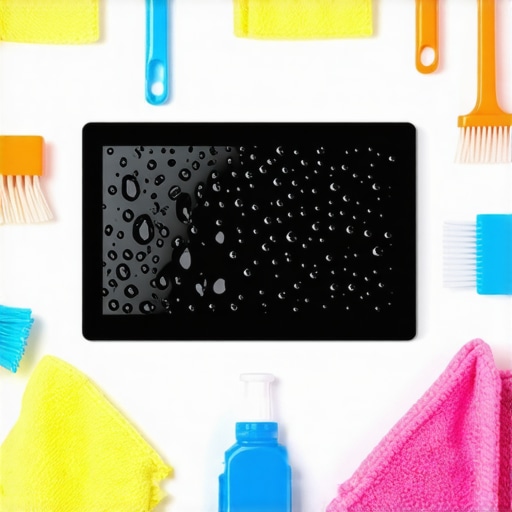
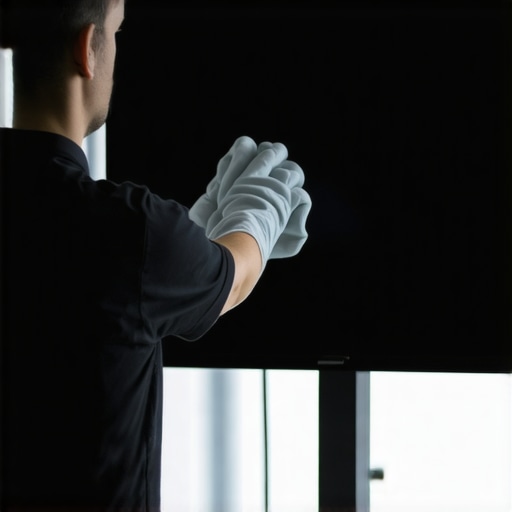
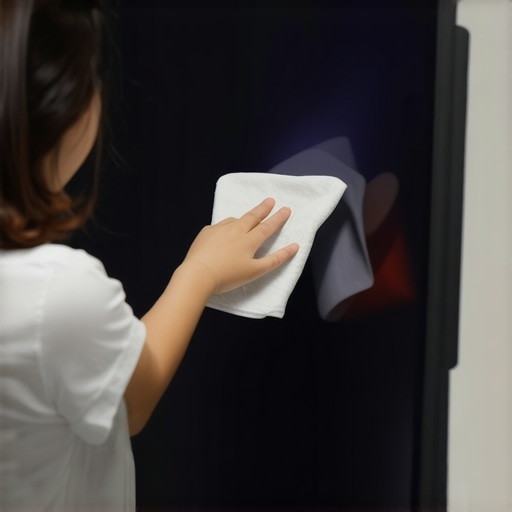
Start with a microfiber cloth, similar to what you’d use for delicate glasses, ensuring it’s clean and free of debris. Use a soft, lint-free cloth to prevent scratching the screen’s surface. Avoid paper towels or rough textiles that can cause micro-scratches, which degrade image clarity over time.
Use Proper Cleaning Solutions
Opt for distilled water or a specialized screen cleaner designed for high-tech surfaces. Spray the cleaner onto the cloth, not directly onto the screen, to prevent liquid from seeping into edges or causing damage. Never use household chemicals like ammonia, alcohol, or window cleaners, as these can strip the delicate coating or damage the micro-texture of your ALR screen.
Gently Wipe the Surface
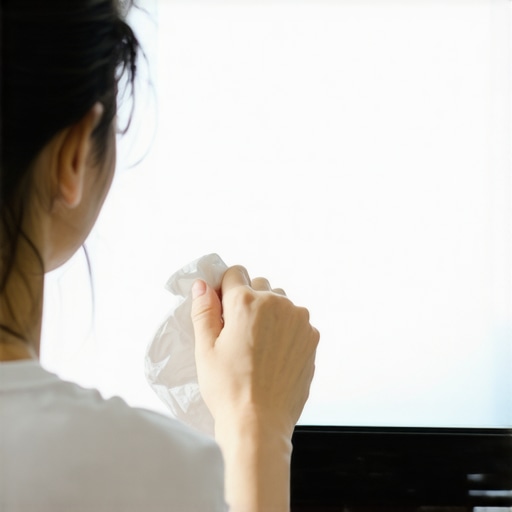
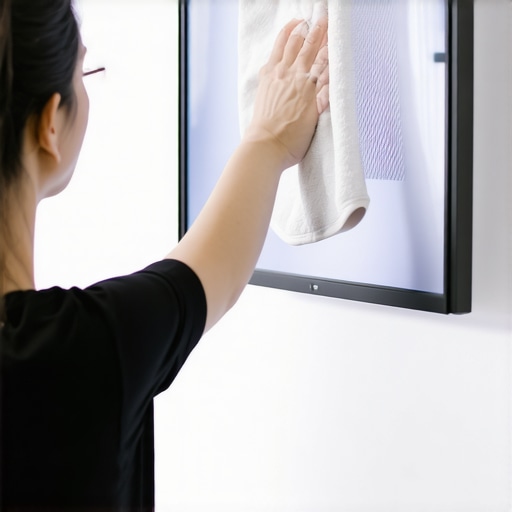
In my experience, applying gentle, circular motions with the damp cloth removes smudges without applying excessive pressure. When I cleaned my screen after a movie night, I made sure to avoid pressing hard, which could cause micro-abrasions. The result was a spotless, streak-free surface that maintained optimal clarity and contrast.
Pay Attention to Dust and Debris
Dust particles can create tiny scratches when wiped across the surface. Use a soft brush or air blower to remove loose dust before wiping with a damp cloth. For stubborn spots, repeat the gentle wiping process, avoiding harsh scrubbing, as micro-scratches can blur the image and diminish gain performance.
Clean Regularly but Carefully
Establish a cleaning routine—once every few months or when fingerprints or dust buildup become noticeable. Over-cleaning can sometimes be more harmful than beneficial. I once attempted weekly cleaning, which led to unwanted streaks; now, I adhere to a spaced-out schedule that preserves my screen’s integrity.
Learn from Experience and Adjust
If you notice a decrease in image sharpness after cleaning, reassess your technique. Over-wetting the cloth, applying too much pressure, or using the wrong solution could be the culprit. Adjust your method accordingly, focusing on minimal moisture and gentle movements to keep your ALR screen at peak performance.
Special Considerations for Nano-coated and Micro-texture Screens
Some screens feature nano-coatings or textured surfaces designed to repel water and dust. Clean these with solutions specifically formulated for such coatings to avoid damaging the surface. I found that following manufacturer guidelines or consulting trusted sources like this cleaning habits guide helps maintain surface longevity and performance.
Preventative Measures to Protect Your Investment
Incorporate dust covers or keep the screen in a less dusty environment when not in use. Avoid touching the surface directly to prevent body oils from accumulating. These small steps, combined with proper cleaning techniques, extend your screen’s lifespan and ensure it continues to deliver the stunning clarity you expect from a 2026 ALR display.
Many enthusiasts believe that selecting a projection screen is simply about size or gain, but in reality, there are subtle details that can make or break your viewing experience. For instance, the common misconception that higher gain always equals a brighter picture can lead you astray. While a high-gain screen might boost luminosity in a controlled environment, it often introduces glare and unwanted hotspots, especially in brighter rooms. Conversely, choosing a screen with a moderate gain, like 0.8 or 1.0, often results in a more uniform image and better contrast, as highlighted by industry experts in their comprehensive guides on ALR screen technologies.
Another overlooked aspect is the misconception around screen material. Many assume that all matte-white surfaces are suitable, but modern materials like specialized micro-texured fabrics or nano-coatings can significantly improve picture quality by controlling ambient light and enhancing contrast. Trust me, opting for the right material, tailored to your room’s lighting and projector type, can elevate the overall sharpness and color accuracy — a nuance thoroughly explained in projection screen materials guide.
When it comes to screen size, the popular rule of thumb is to maximize the screen without overwhelming your room. But advanced users know that the optimal size depends on viewing distance and resolution. For ultra-high-definition setups like 16K or 32K, the size and clarity balance becomes critical; a larger screen at the wrong distance can cause detail loss or eye strain. It’s about finding that sweet spot where immersion meets comfort, a principle elaborated on in expert reviews.
A common trap many fall into involves trusting that higher gain or larger size ensures better performance. In practice, this often results in increased glare, contrast loss, or image blurring—particularly if your setup isn’t optimized for those choices. As shown in recent studies, selecting the right material and gain tailored to your room and projector is far more beneficial than simply increasing size or gain blindly. Proper understanding and implementation of these nuanced factors require technical insight and experience.
So, here’s the takeaway: Be skeptical of one-size-fits-all assumptions around screens. Instead, dive into the specifics of material properties, gain-performance trade-offs, and room conditions. This nuanced approach ensures your home theater remains sharp, bright, and immersive. Want to avoid common pitfalls and maximize your investment? Remember, choosing wisely means understanding these hidden nuances and making informed decisions—something even seasoned enthusiasts sometimes overlook. Have you ever fallen into this trap? Let me know in the comments.Maintaining your projection screen over time requires the right tools, consistent routines, and a bit of technical know-how. First, I rely heavily on a high-quality **microfiber cleaning cloth**, specifically chosen for its fine fibers that lift dust and fingerprints without scratching delicate surfaces. I personally prefer the 3M Perfect-It Microfiber Cloth because it’s durable and lint-free, ensuring my screen stays streak-free and maintains optimal gain performance.
For stubborn spots, I use a **distilled water-based cleaner** formulated explicitly for high-tech surfaces. I avoid household cleaners entirely, as they often contain chemicals that can degrade specialized coatings. My go-to is the Screen Cleaner by Gro-ware, which I trust for its gentle yet effective cleaning action. I spray the solution onto the microfiber cloth—never directly onto the screen—to prevent any liquid ingress that could damage internal layers.
It’s also vital to have tools like a **compressed air blower** or a **soft brush** to remove loose dust particles before wiping. Dust particles can create micro-scratches if rubbed across the surface repeatedly, which also affects the overall gain and contrast. I regularly use the Dust-Off compressed air can to keep surfaces dust-free, especially after setting up new components.
In addition to physical tools, software applications assist in ongoing calibration. Using a **color calibration tool** like the CalMAN software paired with a spectroradiometer helps fine-tune the display’s color accuracy over time. Proper calibration ensures your image remains sharp, vibrant, and True to source—something that’s crucial as screen materials age or environmental conditions change.
Predicting the future, I believe that automation will become more integrated into home theater maintenance. Smart sensors could detect dust buildup or surface degradation and notify you when cleaning or calibration is due. As this trend evolves, I recommend keeping an eye on emerging accessories that can automate routine checks, extending your equipment’s lifespan without hassle.
## How do I maintain projection screens over time?
One key method I swear by is regular, gentle cleaning with the right tools, especially avoiding abrasive materials or harsh chemicals. Examine your screen periodically for dust or smudges and clean in circular motions, always spraying cleaner onto your cloth rather than directly onto the surface. Remember, less is more—over-cleaning can be as harmful as neglect. Incorporate calibration checks using consistent software and hardware tools to keep image quality optimal. For extra protection, consider investing in a custom dust cover for your screen when not in use, especially in environments prone to airborne dirt or humidity.
To achieve flawless results, I recommend trying a **microfiber cloth combined with a specialized screen cleaner**, as this duo prevents scratches and maintains the micro-texture of the surface—which directly influences your screen’s gain and contrast over the long term. For detailed techniques, check out expert advice on cleaning habits that kill your ALR screen. Implementing even one of these tips can make a noticeable difference in your home theater’s longevity and viewing quality.
Lessons I Wish I Learned Sooner About Mastering Projection Screen Maintenance
The hardest lesson I uncovered was understanding that even tiny scratches or streaks could drastically reduce my screen’s clarity in ways I didn’t expect. I used to believe regular cleaning was enough, but I discovered that improper techniques could cause micro-abrasions, leading to blurred images over time. Remember, patience and gentle handling are vital to preserving that stunning image quality.
Another revelation was how crucial the choice of cleaning tools is. Using a standard cloth or household cleaners can seem harmless but actually damages delicate surface coatings. Investing in high-quality microfiber and specialized screen cleaners made a noticeable difference in maintaining brightness and contrast, especially with advanced ALR screens in 2026 models.
Lastly, I realized that the material and surface texture of my screen influenced how well my cleaning routine worked. Nano-coated and textured surfaces require specific products and techniques, not just generic wipes. To ensure longevity and consistent performance, I always follow manufacturer guidelines, which you can find elaborated in trusted guides on cleaning habits that kill your ALR screen.