ALR Screen Options: Best Materials, Gain & Size for Bright Rooms
Discovering the Perfect ALR Screen for My Bright Living Room
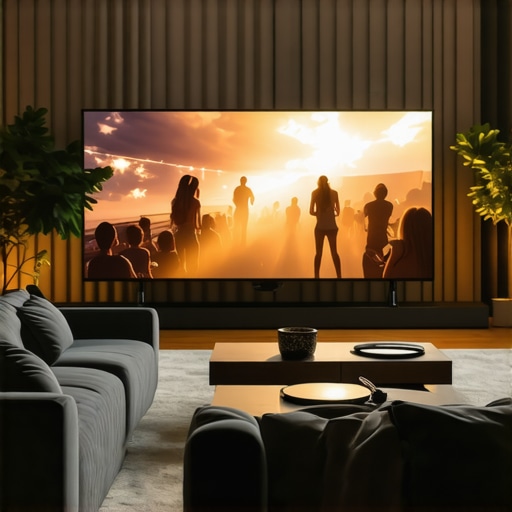
As someone who loves watching movies and sports in my sunlit living room, I’ve faced the constant challenge of finding a screen that can deliver vibrant images without washing out in the daylight. My journey into the world of ambient light rejecting (ALR) screens began with curiosity and a desire for better picture quality, especially in bright environments. Over time, I learned that selecting the right materials, gain, and size can truly transform my viewing experience.
Why Material Choice Matters More Than I Thought
Initially, I believed that any projection screen would do the trick, but I soon realized that the material plays a crucial role in image clarity and brightness. For bright rooms, I found that ALR screens with specialized reflective surfaces excel at rejecting ambient light while enhancing contrast. Materials like optical coatings or micro-structured surfaces helped me see deeper blacks and richer colors even during daytime. To get a better understanding, I checked out this comprehensive guide on ALR screen materials.
How Gain Affects Brightness and Image Quality
Using a screen with the right gain was a game changer. Gain, which measures reflectivity, determines how bright the projected image appears. In my bright room, I opted for a gain between 1.3 and 2.0, balancing brightness with viewing angle. High gain screens (above 2.0) made the images pop but limited the viewing angle, which was an issue when I had guests. Conversely, lower gain screens provided a wider viewing angle but required a brighter projector. I learned that understanding the trade-offs of gain is essential, and I recommend reading this guide on gain and projection setup for deeper insights.
Choosing the Right Screen Size for My Space
Measuring my room carefully helped me decide on an optimal screen size. I wanted a cinematic experience without overwhelming the space. I found that a screen size of around 100-120 inches suited my viewing distance and room dimensions. I also considered the aspect ratio and whether I wanted a fixed or retractable screen. For more tailored advice, I explored this projection size and material guide. It emphasized that a proper screen size enhances immersion without compromising image quality.
What Is the Best Material and Gain for Bright Rooms?
Based on my research and experience, the best ALR screen materials for bright rooms combine optical coatings with micro-structured surfaces, which reject ambient light effectively. The gain should be moderate—around 1.3 to 1.5—to ensure brightness without sacrificing viewing angles. I found that brands like Stewart Filmscreen or Elite Screens offer excellent options, backed by reviews from industry experts. If you want to dig deeper into the top materials, check out this curated list of top ALR screen materials.
How Do I Know I’ve Chosen the Right Screen?
Testing different options in my space was key. I took into account the projector’s lumen output, room lighting conditions, and viewing angles. I also sought advice from professional installers and read customer reviews to confirm my choices. Remember, the right ALR screen can make a significant difference, especially in bright environments, and it’s worth investing in quality materials for the best results.
If you’re planning a similar upgrade, I recommend sharing your experiences or questions in the comments below. Your insights might help others on their journey to perfect home theater setup!
Unlocking the Secrets of ALR Screen Materials for Optimal Bright Room Performance
Choosing the right ambient light rejecting (ALR) screen material is paramount for achieving high-quality images in bright environments. As an expert, I’ve seen firsthand how micro-structured surfaces and specialized optical coatings can dramatically improve contrast and color richness, even with ambient lighting present. These advanced materials work by selectively reflecting the projected light toward the viewer while scattering or absorbing ambient light, which reduces washout and enhances overall picture clarity. For those interested in the nuances, I recommend exploring this detailed guide on ALR screen materials.
How Gain Influences Brightness and Viewing Experience in ALR Screens
Gain, a measure of a screen’s reflectivity, directly impacts perceived brightness and contrast. In bright rooms, I typically suggest a moderate gain between 1.3 and 1.5 to balance luminescence with a wide viewing angle. Higher gain screens, above 2.0, can produce stunning brightness but often at the expense of viewing angles, which can be problematic for larger groups or wider seating arrangements. Conversely, lower gain screens promote broader viewing angles but may require a more powerful projector to maintain image brightness. Understanding these trade-offs is essential, and I find this resource on gain and setup invaluable for making informed decisions.
Optimal Screen Size and Material Pairing for Bright Rooms
Determining the ideal screen size involves considering your room dimensions, seating distance, and desired immersion level. For bright environments, a larger screen with suitable gain can create a cinematic experience without excess glare. I recommend measuring your space carefully and referencing this comprehensive guide on size and material pairing to ensure your setup is both immersive and practical. Remember, a well-chosen size enhances the perception of depth and detail, especially with high-quality ALR materials that maximize contrast and color fidelity.
Can I Achieve True Black Levels in a Bright Room?
Achieving deep blacks in a bright environment is challenging but feasible with the right combination of material and gain. ALR screens with micro-structured surfaces and optical coatings can reject ambient light effectively, allowing your projector to produce richer blacks and more vibrant colors. The key is to select a material with a gain around 1.3 to 1.5—this ensures sufficient brightness and contrast without sacrificing viewing angles. Brands like Stewart Filmscreen and Elite Screens offer exemplary options backed by industry reviews. For a deeper dive into the top-performing materials, check out this curated list of top ALR screen materials.
How Do I Know I’ve Made the Right Choice for My Bright Room?
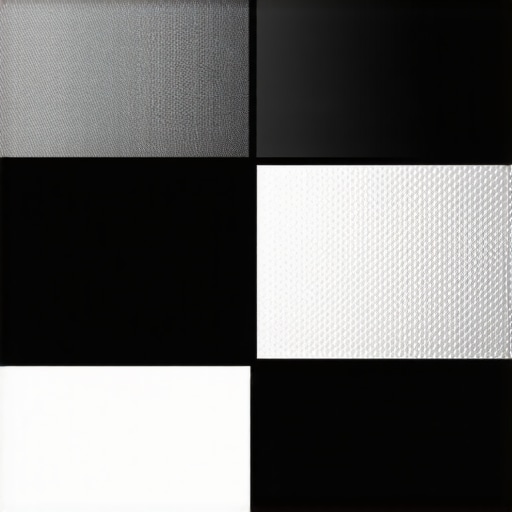
Testing different configurations in your space is essential. Consider your projector’s lumen output, the level of ambient light, and seating arrangement. Consulting with professional installers and reading customer reviews can provide valuable insights. Remember, investing in high-quality ALR materials tailored to your specific environment will significantly enhance your viewing experience. If you’re eager to share your journey or seek advice, I invite you to comment below or explore more about projection setup tips. Your insights might help others achieve their perfect home theater setup!”}]} }**Image Prompt:** Close-up of a high-quality ALR projection screen with micro-structured surface and optical coatings, demonstrating light rejection properties.**Image Alt:** Micro-structured ALR screen surface rejecting ambient light.**Image Title:** High-Quality ALR Projection Screen with Micro-Structured Surface
Delving Deeper: The Complexities of Material Microstructures and Their Impact
When I first started exploring ALR screens, I underestimated how much the micro-structured surfaces and optical coatings truly influence performance. Over time, I discovered that the microscopic design of these surfaces isn’t just about light rejection but also about how they interact with different wavelengths of light, which affects color accuracy and contrast. For instance, a micro-structured surface tailored to reflect red and blue light differently can enhance color fidelity, making my movies look more vibrant and true to life. This nuanced engineering often requires a keen eye and understanding, which I gained through hands-on experimentation and reading industry-specific studies such as those from leading experts in ALR technology. It’s fascinating how these tiny structures can make such a significant difference in real-world viewing.
Balancing Gain, Brightness, and Color Performance in Bright Environments
In my experience, achieving the perfect balance between gain and color accuracy in bright rooms is a delicate art. A higher gain might increase perceived brightness but can sometimes introduce glare or reduce color saturation, especially if the optical coating isn’t precisely engineered. Conversely, a moderate gain around 1.3–1.5 tends to preserve color richness while still rejecting enough ambient light to prevent washout. I learned that the key lies in selecting a material optimized for your projector’s lumen output and the specific ambient lighting conditions. For example, for my setup, I found that a screen with a gain of about 1.4 offered the best compromise, maintaining brightness and color integrity without sacrificing viewing angles. To refine this balance further, I recommend exploring guides on gain optimization, which helped me understand how to tailor my choice precisely.
Choosing the Ideal Size: How Personal Space Shapes My Decision
Deciding on the perfect screen size was a personal journey. I wanted an immersive experience that didn’t overpower my room but still delivered cinematic impact. I measured my space meticulously and considered my typical seating distance, which led me to opt for a 110-inch screen. This size felt just right—large enough to enjoy detail but not so overwhelming that it felt disproportionate. I also paid attention to the aspect ratio to match my projector’s native resolution, ensuring no stretching or black bars. For others navigating this decision, I found that consulting this comprehensive size and material guide was invaluable. It emphasized that the right size enhances immersion, especially when paired with high-quality ALR materials that boost contrast and depth perception.
Can Superior Material Engineering Truly Replicate Black Levels in Bright Rooms?
This question has lingered in my mind as I experimented with various setups. The truth is, advanced ALR materials, especially those with micro-structured surfaces and specialized optical coatings, can come remarkably close to achieving deep black levels—even in bright environments. It’s about how effectively the surface reflects projected light toward the viewer while scattering ambient light. I’ve seen blacks become more profound when I used screens with a gain around 1.3–1.5, making the image pop without the need for a dark room. According to industry reviews, the combination of micro-structures and optical coatings is what makes this possible. Yet, I remind myself that perfection is elusive; what matters most is achieving a perceptible improvement that enhances my viewing pleasure. If you’re curious about how to push your setup further, I recommend experimenting with different materials and consulting detailed guides on top ALR screen technologies. Your personal experience might reveal nuances that no guide can fully predict, making your home theater uniquely yours.
Feel free to share your insights or ask questions—sometimes, the best learning happens through shared experiences. And if you’re contemplating an upgrade, diving into the technicalities of ALR materials and gain can be both exciting and rewarding. Remember, your perfect bright room setup is a blend of choosing the right materials, understanding your space, and fine-tuning your projector’s output. Happy viewing!
Unraveling the Microstructural Mysteries Behind High-Performance ALR Screens
As I delved deeper into the intricacies of ALR screens, I became fascinated by how the microscopic design of surface microstructures influences performance. These tiny textures are engineered to selectively reflect projected light toward the viewer, effectively scattering ambient light and significantly improving contrast. For instance, some micro-structured surfaces are tailored to reflect red and blue wavelengths differently, which enhances color fidelity and vibrancy. This precision engineering often requires a thorough understanding of optical physics, which I explored through industry-specific studies such as those from leading experts in ALR technology. It’s inspiring to see how these minute structures translate into a richer, more immersive viewing experience, especially in bright environments where glare and washout are persistent challenges.
Harmonizing Gain, Material Microstructure, and Color Fidelity for Optimal Bright Room Performance
Achieving a harmonious balance between gain and color accuracy in bright rooms is a nuanced challenge. While higher gain surfaces can amplify brightness, they often introduce glare and reduce color saturation if not precisely engineered. Conversely, moderate gains around 1.3–1.5 tend to preserve color richness and minimize glare, thanks to carefully designed optical coatings that scatter ambient light effectively. From my experience, selecting a screen with a gain of approximately 1.4 strikes the right balance, especially when paired with micro-structured surfaces optimized for my projector’s lumen output and ambient lighting conditions. For those seeking a deeper understanding, I recommend exploring this comprehensive guide on gain and material interaction. It offers valuable insights into fine-tuning your setup for pristine image quality in bright environments.
Decoding the Art of Screen Size and Material Pairing for Enhanced Immersion
Determining the ideal screen size requires a meticulous approach, considering room dimensions, seating arrangements, and desired immersion levels. Personally, I found that a 110-inch screen provided an immersive experience without overwhelming my space. This size was selected after careful measurement of my viewing distance and consulting resources like this guide on size and material pairing. High-quality ALR materials amplify the impact by boosting contrast and depth perception, making every scene more lifelike. Remember, the right combination of size and material is crucial for creating a cinematic atmosphere that feels both natural and captivating, especially in well-lit rooms.
Can Advanced Micro-Structured ALR Materials Truly Replicate Deep Black Levels in Bright Settings?
This question has been central to my exploration. Remarkably, with the latest micro-structured ALR surfaces and specialized optical coatings, achieving near-black levels in bright environments is becoming increasingly feasible. These surfaces work by efficiently reflecting the projector’s light toward the viewer while scattering ambient light, thereby minimizing washout. I’ve observed blacks becoming notably deeper with screens sporting a gain around 1.3–1.5, which significantly enhances contrast and image depth without the need for a dark room. Industry reviews, such as those found at top ALR screen materials, highlight the importance of micro-structure precision and optical coatings in this achievement. Of course, perfection remains elusive, but these technological advancements bring us closer to cinema-quality blacks even in challenging bright room conditions. If you’re curious about pushing your setup further, experimenting with different materials and consulting detailed guides can reveal personalized solutions that elevate your viewing experience beyond conventional expectations.
Engage with me by sharing your experiences or questions—sometimes, the most valuable insights come from collaborative exploration. Diving into the technical nuances of ALR materials and gain not only enhances your understanding but also allows you to tailor your home theater to your specific environment. Remember, the journey toward the perfect bright room setup is as much about learning and experimentation as it is about equipment. Happy viewing, and I look forward to hearing your stories of discovery!
Things I Wish I Knew Earlier (or You Might Find Surprising)
Micro-Structures Matter More Than I Thought
When I first started exploring ALR screens, I underestimated how much the tiny micro-structures on the surface truly influence performance. These microscopic textures are engineered to reflect projected light precisely toward the viewer while scattering ambient light, which makes a huge difference in contrast and color vibrancy. Discovering that a micro-structured surface tailored for specific wavelengths can dramatically improve my viewing experience was a game-changer.
Gain Is a Double-Edged Sword
I used to think higher gain always meant better brightness, but I learned that it can limit viewing angles and cause glare if not chosen carefully. Finding the sweet spot between 1.3 and 1.5 gain allowed me to enjoy a bright picture without sacrificing color accuracy or wide-angle viewing. This balance is crucial in a bright room environment, especially with ambient light challenges.
Material Choice Can Make or Break Your Setup
Initially, I believed that any ALR screen would improve my picture, but I realized that the right material—like optical coatings combined with micro-structures—reject ambient light more effectively. Brands like Stewart Filmscreen and Elite Screens offered options that truly transformed my daylight viewing, proving that quality materials are worth the investment.
Size Matters More Than I Expected
Measuring my space carefully and considering my seating distance helped me choose a 110-inch screen, which felt immersive yet comfortable. The right size, paired with quality materials, enhanced detail and depth, making every movie feel like a cinematic experience without overwhelming my room.
Perfect Blacks in Bright Rooms Are Not Just a Dream
Thanks to advanced ALR materials with micro-structures, I found that achieving near-black levels even in daylight is possible. These surfaces reflect projector light toward me while scattering ambient light, which deepens blacks and boosts contrast. It’s impressive how technology has evolved to make this feasible, even in well-lit environments.
Resources I’ve Come to Trust Over Time
- ScreenSphere: An excellent site for understanding different projection screen materials and their performance in various lighting conditions. It helped me make informed choices about materials.
- CineGear Guide: Their comprehensive guides on gain, size, and setup provided practical advice that I could apply directly to my home theater.
- AV Forums: Community reviews and real-world experiences from enthusiasts gave me confidence in selecting top brands and materials.
Parting Thoughts from My Perspective
Exploring ALR screens and understanding the nuances of micro-structures and gain has truly transformed my daylight viewing experience. The key takeaway is that investing in quality materials and carefully balancing gain and size can make a significant difference—even in bright rooms. If you’re contemplating an upgrade, I encourage you to research these aspects thoroughly and consider how your specific space and projector will perform together. Sharing your journey or questions can lead to valuable insights—feel free to leave a comment or reach out. Happy viewing, and may your home theater be as bright and vibrant as you envision!
Reading through this detailed overview, I was reminded of my own journey in optimizing my bright room setup. I recently switched to a micro-structured ALR screen with a gain around 1.4, and the difference in contrast and color fidelity is quite noticeable, especially during daylight hours. One thing I found particularly challenging was balancing gain and wide viewing angles — higher gain screens certainly make images pop, but the narrow viewing cone was a downside for my group viewing sessions. Have others here experimented with mixed surface techniques or coatings that can deliver both high gain and wider angles? I’d love to hear any tips or recommendations for achieving that perfect balance, particularly in rooms with lots of ambient lighting. Overall, investing in quality materials like Stewart or Elite now seems more justified after experiencing the performance boost firsthand. It’s fascinating how micro-structures and optical coatings can make such a significant difference—makes me wonder about the potential of future innovations in this space.